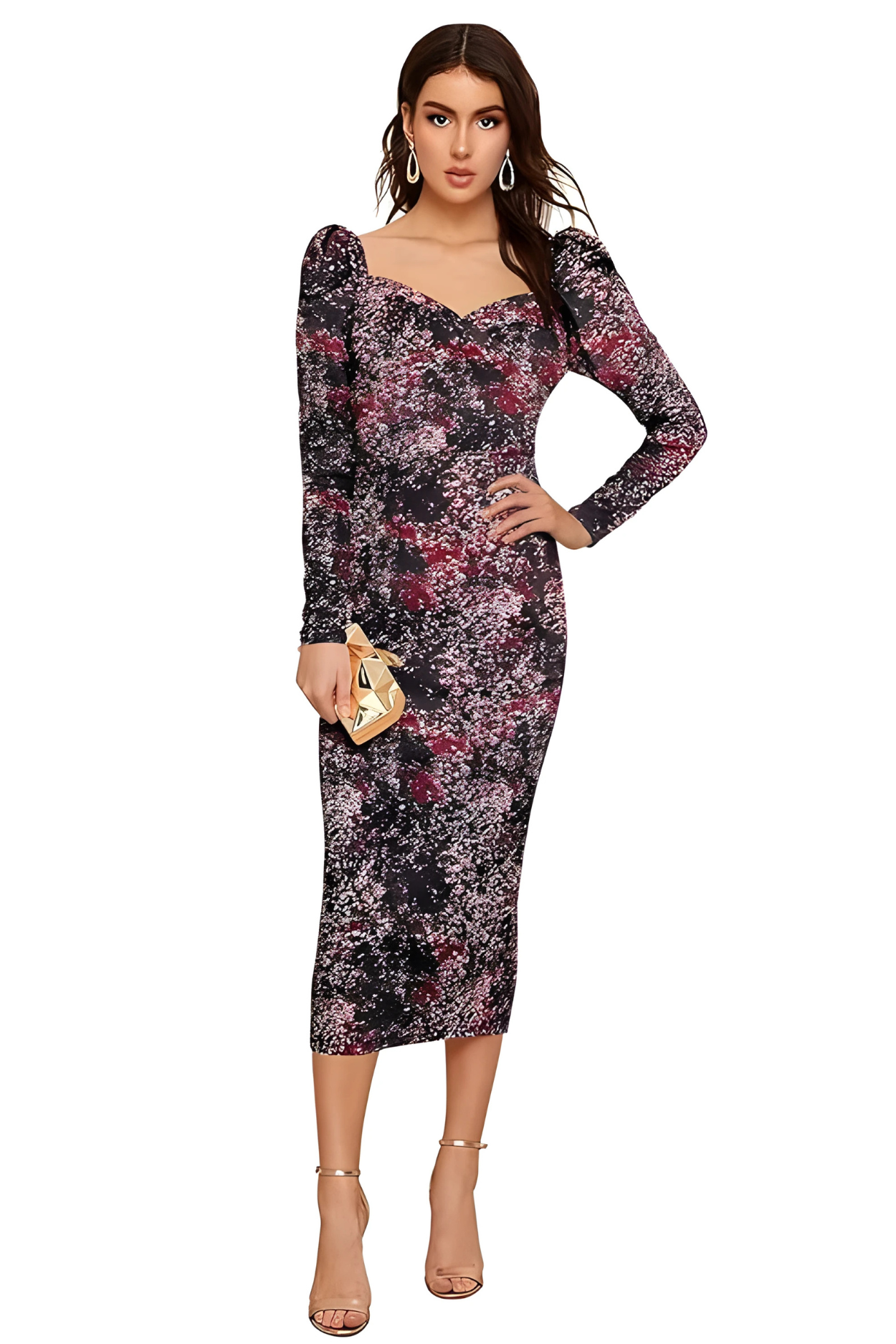
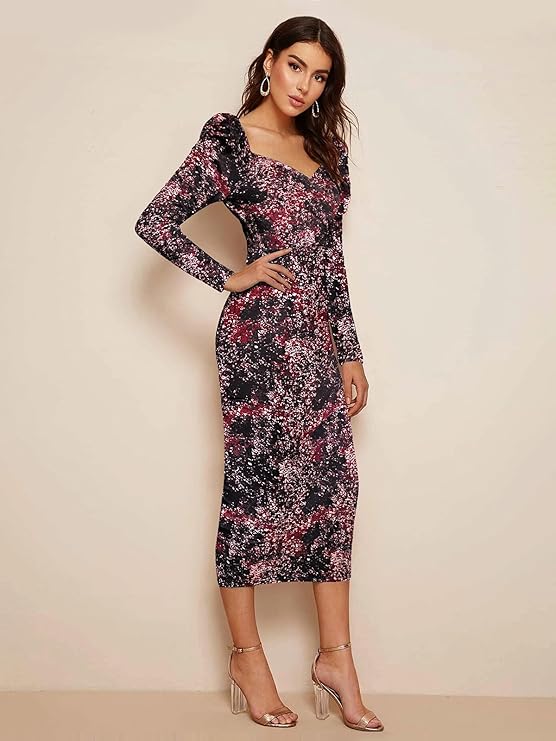
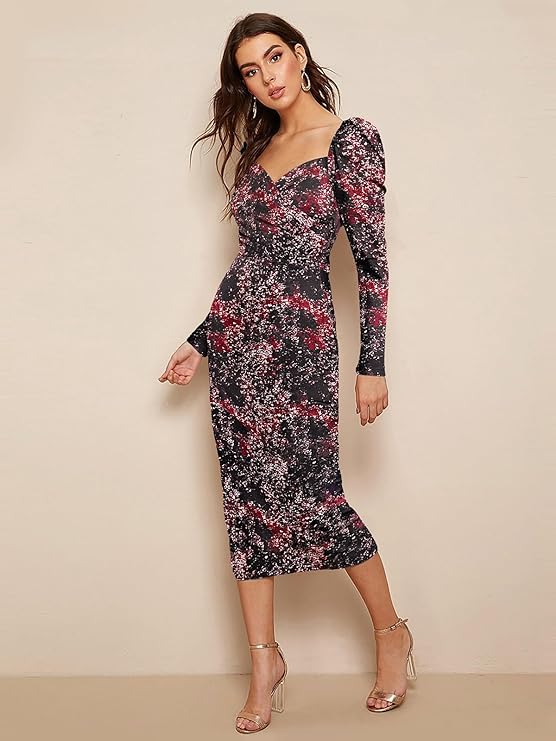
Elegant formal wear dresses in breathable fabrics, perfect for parties, weddings, and special occasions. Stylish, comfortable, and easy to care for.
formal wear dresses
Original price was: ₹1,999.00.₹499.00Current price is: ₹499.00.
Description
Formal Wear Dresses: Elegance, Style, and Comfort for Every Occasion
When it comes to dressing for formal events, the right outfit can make all the difference. Whether attending a cocktail party, wedding, corporate gala, or any other sophisticated event, formal wear dresses have become a wardrobe essential for women across the globe. These dresses combine elegance, style, and comfort to help you shine at any occasion. This article explores the essential aspects of formal wear dresses, including popular styles, fabrics, designs, and how to choose the perfect dress for your needs.
What Are Formal Wear Dresses?
Formal wear dresses are outfits designed for formal events and occasions. These dresses typically feature sophisticated cuts, elegant fabrics, and styles that reflect refinement and grace. Unlike casual dresses, formal wear tends to adhere to specific dress codes and demands a higher level of craftsmanship and attention to detail.
The Importance of Choosing the Right Formal Dress
Selecting the right formal dress can boost your confidence and help you make a lasting impression. It’s not just about looking beautiful but also about feeling comfortable and poised. The ideal dress should flatter your body shape, complement your personal style, and fit the event’s tone.
Key Features of Formal Wear Dresses
-
Fabric and Material
Formal wear dresses often utilize luxurious fabrics like silk, satin, chiffon, lace, velvet, and polyester blends. These materials offer a smooth finish, beautiful drape, and durability. For example, polyester blends, such as polycotton, are lightweight and breathable, making them comfortable for long wear, especially during parties or weddings. -
Design and Style
Formal dresses come in a variety of styles to suit different preferences and body types. Popular styles include A-line, bodycon, ball gown, mermaid, sheath, and more. Each style brings a unique flair:-
A-line dresses are flattering on most body shapes with their fitted bodice and gradually flared skirt.
-
Bodycon dresses hug the body closely, showcasing curves and providing a sleek, modern look.
-
Ball gowns feature full skirts for a dramatic and regal appearance, ideal for very formal occasions.
-
Sheath dresses are simple yet elegant, skimming the body with a straight silhouette.
-
-
Sleeve Types and Necklines
Sleeves and necklines significantly influence a dress’s formality and style. Common sleeve types include long sleeves, short sleeves, cap sleeves, or sleeveless. Necklines can range from sweetheart (as featured in your product), V-neck, high neck, off-shoulder, or boat neck, each creating a different aesthetic and appeal. -
Length
Formal dresses typically range from midi to floor-length gowns. Midi dresses, which fall below the knee and above the ankle, offer a balance between elegance and ease of movement, making them perfect for cocktail parties or weddings. Full-length gowns are usually reserved for black-tie or very formal events.
The Role of Prints and Colors in Formal Wear Dresses
While many formal dresses embrace solid colors like black, navy, red, or pastels, prints are increasingly gaining popularity. Floral prints, geometric patterns, and abstract designs add a fresh and youthful vibe without compromising on elegance. For example, an all-over soft floral print on a midi-length polycotton dress adds femininity and charm, perfect for outdoor weddings or spring parties.
Caring for Your Formal Dress
Proper care ensures your formal dress remains in pristine condition for years. Many formal dresses are machine washable on a gentle cycle using cold water, but always check the care label. For delicate fabrics, dry cleaning is often recommended. Always hang or lay the dress flat to dry, avoiding direct sunlight to prevent color fading.
Styling Your Formal Wear Dress
Accessorizing is crucial to complete your formal look. Pair your dress with elegant jewelry such as pearl earrings, delicate bracelets, or statement necklaces. Footwear should be both stylish and comfortable—think heels, wedges, or embellished flats. Depending on the weather, add a shawl, bolero, or tailored blazer for added sophistication and warmth.
Why Choose Polycotton for Formal Dresses?
Polycotton is a blend of polyester and cotton, combining the best properties of both fabrics. It is lightweight, breathable, and durable, which makes it an excellent choice for formal dresses worn at parties and weddings. This fabric also resists wrinkles better than pure cotton and is easier to care for, making it practical for busy women who want to look their best without high-maintenance fabrics.
Your Ideal Formal Wear Dress: A Product Spotlight
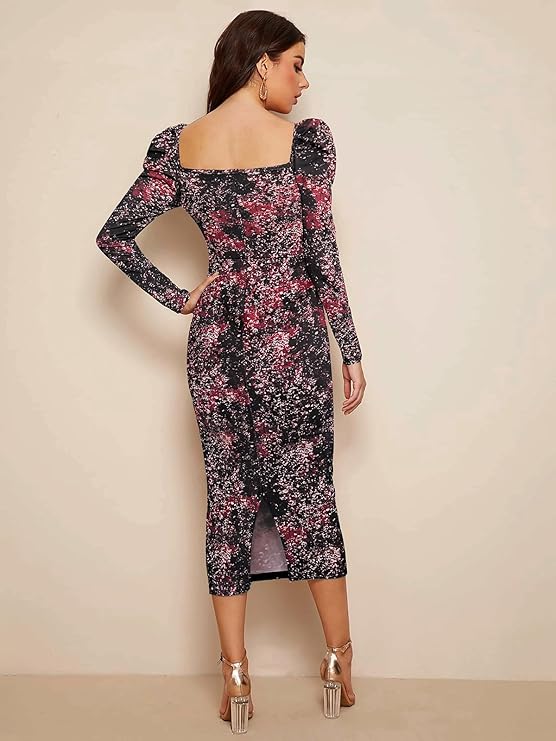
Let’s explore the features of a beautiful Polycotton Midi-Length Bodycon Dress designed specifically for parties and weddings:
-
Material: Made of a lightweight polycotton blend that ensures breathability and comfort, especially important for long events.
-
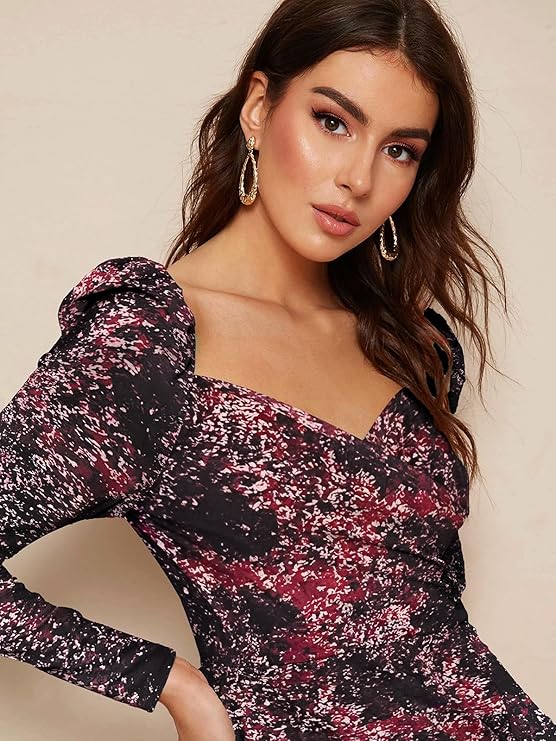
Design: This dress features an A-line cut with billowy ruffle details along the sleeves and hem, adding a touch of feminine flair.
-
Pattern: An all-over soft floral print that brings freshness and romance, perfect for spring and summer gatherings.
-
Neckline: Sweetheart neck design enhances the neckline with a flattering silhouette.
-
Closure: Easy back zip-up closure ensures a smooth fit.
-
Care Instructions: Machine washable in cold water and easy to care for, suitable for everyday use and special occasions alike.
This dress embodies the perfect blend of style, comfort, and functionality, making it a wardrobe staple for anyone seeking formal wear dresses.
Choosing the Perfect Formal Dress for Your Body Type
-
Hourglass: Highlight your curves with fitted bodycon or wrap dresses that cinch at the waist.
-
Pear Shape: A-line and fit-and-flare dresses balance your hips and create a flattering silhouette.
-
Apple Shape: Empire waist dresses and those with embellishments on the neckline draw attention upwards.
-
Rectangle: Dresses with ruffles, peplums, or belts add dimension and curves.
-
Petite: Midi dresses with clean lines elongate the figure without overwhelming your frame.
Trends in Formal Wear Dresses
Fashion trends evolve, but some elements remain timeless. Currently, key trends include:
-
Sustainable fabrics and ethical manufacturing: Shoppers are increasingly mindful of eco-friendly choices.
-
Bold colors and prints: Women are embracing statement pieces that showcase personality.
-
Mixing textures: Combining lace, silk, and chiffon in one outfit adds depth and interest.
-
Minimalist elegance: Simple designs with clean lines are favored for their timeless appeal.
Conclusion
Formal wear dresses are essential in every woman’s wardrobe. Whether you prefer the classic elegance of a solid-colored gown or the playful sophistication of a printed midi dress, there’s a perfect formal dress for every occasion. Prioritizing comfort and style ensures you not only look stunning but also feel confident and at ease. Investing in quality fabrics like polycotton and caring for your dresses properly will ensure your formal attire serves you well for years to come.
When selecting a formal dress, consider your event, body shape, and personal style. With the right choices, formal wear dresses become more than clothing—they become a statement of grace, confidence, and timeless beauty.
Formal Wear Dresses: A Comprehensive Guide to Style, Fabric, and Occasion
The Essence of Formal Wear Dresses
Formal wear dresses are more than just garments; they represent grace, poise, and the art of dressing well for life’s important moments. From weddings to gala dinners, corporate events to cocktail parties, the right formal dress can elevate your presence and make every occasion memorable. In the world of fashion, formal wear dresses are designed to merge aesthetics with function — delivering comfort without compromising on style.
Choosing the Right Fabric: Comfort Meets Elegance
One of the most critical elements in selecting a formal wear dress is the fabric. The choice of fabric impacts the dress’s drape, feel, durability, and overall appearance. Here’s a detailed look at popular fabrics used in formal dresses and why they matter:
-
Polyester and Polycotton Blends
Polyester blends, including polycotton, are widely favored for their durability, wrinkle resistance, and ease of care. A dress made from polycotton offers a lightweight, breathable feel while maintaining its structure throughout an event. The fabric’s breathability makes it ideal for long occasions, such as weddings or formal parties, where comfort is paramount. -
Silk
Silk is synonymous with luxury. Its natural sheen and smooth texture make it a preferred choice for high-end formal wear dresses. However, silk requires delicate care and is less forgiving to stains and wrinkles, making it suitable for carefully chosen occasions. -
Chiffon
Known for its airy and flowing nature, chiffon adds a soft and romantic touch to formal wear dresses. It’s often used in layers or overlays to create volume and movement, ideal for evening gowns and cocktail dresses. -
Lace
Lace fabric adds intricate detailing and a timeless appeal. Often used as overlays or trims, lace can transform a simple dress into a statement piece suitable for weddings and formal ceremonies. -
Velvet
Velvet is a rich, plush fabric often associated with winter formal events. It exudes warmth and opulence, making velvet dresses a stylish choice for evening wear during colder seasons. -
Cotton Blends
Cotton blends, especially those with a wrinkle-resistant finish, provide a balance between comfort and elegance. Such fabrics are perfect for daytime formal events or occasions where breathability and ease of movement are necessary.
Styles and Silhouettes: Finding Your Perfect Formal Dress
Formal wear dresses come in diverse styles and silhouettes to flatter every body type and suit various occasions. Understanding these styles helps in making a confident choice.
-
A-Line Dresses
Characterized by a fitted bodice that gradually flares out from the waist, A-line dresses suit nearly every body shape. The flattering cut highlights the waist while allowing ease of movement, making it a popular choice for formal dresses such as the midi-length polycotton dress with billowy ruffle details. -
Bodycon Dresses
Bodycon dresses hug the body, accentuating curves for a sleek and modern look. These dresses work well for cocktail parties and evening events, especially when made from fabrics with a slight stretch, like polyester blends or Lycra. -
Sheath Dresses
Sheath dresses offer a straight, slim silhouette that follows the natural contours of the body without excessive flaring. Ideal for business formal events or sophisticated dinners, these dresses exude professionalism and understated elegance. -
Ball Gown
The ball gown is a classic silhouette featuring a fitted bodice and a full, voluminous skirt. It is a go-to style for black-tie galas, weddings, and ultra-formal events. While traditionally made from heavier fabrics like satin or taffeta, modern ball gowns incorporate lightweight layers for better comfort. -
Mermaid and Trumpet Dresses
These styles are fitted through the bodice and hips, flaring out near the knees or mid-thigh, creating dramatic curves and movement. They are perfect for red-carpet events and occasions where you want to make a bold fashion statement. -
Empire Waist Dresses
Featuring a raised waistline just under the bust, empire waist dresses elongate the lower body and are particularly flattering for apple-shaped figures. These dresses are often chosen for their comfort and flattering fit during formal ceremonies.
Necklines and Sleeve Options
The neckline and sleeves of a formal wear dress contribute significantly to its style and formality.
-
Necklines: Popular necklines include sweetheart (which enhances the bust line), V-neck (elongates the neck), boat neck (offers elegance), and high-neck (adds sophistication). Each neckline creates a different focal point and mood for your dress.
-
Sleeve Types: Sleeves vary from long, short, cap, bell, to sleeveless. Long sleeves with lace or sheer overlays add a touch of modesty and elegance, while sleeveless or strapless designs can offer a contemporary and chic look.
The Role of Patterns and Prints in Formal Dresses
Though solid colors are the traditional choice for formal wear dresses, patterns and prints are gaining traction as modern, stylish alternatives.
-
Floral Prints
Floral patterns are perfect for daytime events and spring or summer weddings. A subtle all-over floral print on a midi-length formal dress offers a fresh and romantic appeal. -
Geometric and Abstract Prints
These prints bring a modern edge to formal dresses, suitable for fashion-forward individuals seeking to stand out while maintaining elegance. -
Solid Colors
Classic solid colors like black, navy, maroon, emerald green, and pastels remain timeless options. They provide a versatile canvas for accessorizing and suit nearly all formal occasions.
Occasion-Specific Formal Wear Dresses
Different formal occasions call for different dress codes. Understanding the appropriate formal wear for each event can help you dress suitably.
-
Cocktail Parties
Cocktail attire calls for dresses that are elegant yet slightly less formal than full-length gowns. Midi dresses, bodycon cuts, and stylish prints are popular choices here. -
Weddings
For weddings, the dress code can range from semi-formal to black-tie. Lightweight fabrics with soft prints or pastel shades work well for daytime weddings, while richer fabrics and darker tones are appropriate for evening ceremonies. -
Corporate and Business Formal Events
Sheath dresses, tailored gowns, and dresses with modest necklines and sleeves make excellent choices for professional formal events. Pairing these dresses with blazers or formal accessories adds to the look’s sophistication. -
 Gala Dinners and Black-Tie Events
For ultra-formal events, floor-length gowns in luxurious fabrics like silk, velvet, or satin are ideal. Embellishments such as beadwork, sequins, and lace add glamour without overwhelming the dress.
Accessorizing Formal Wear Dresses
Accessories complete your formal look and allow you to express your personal style.
-
Jewelry: Delicate pieces such as pearl studs, thin chains, and minimalist bracelets complement formal dresses well. For evening wear, statement necklaces or chandelier earrings can add sparkle.
-
Footwear: Classic heels, stilettos, or elegant flats are suitable options. When choosing footwear, prioritize comfort especially for long events.
-
Bags: Clutches or small evening bags are preferable to maintain the dress’s sleek lines.
-
Outerwear: For colder seasons, pairing your dress with a shawl, bolero, or fitted blazer adds warmth and style.
The Growing Importance of Sustainability in Formal Wear
Today’s fashion-conscious consumers increasingly seek sustainable and ethically produced formal wear dresses. Eco-friendly fabrics, ethical labor practices, and recycled packaging are becoming industry standards. Opting for brands that prioritize sustainability not only supports the environment but also promotes social responsibility.
Maintenance Tips for Formal Wear Dresses
Proper care can extend the life and beauty of your formal wear dresses:
-
Read Care Labels: Always follow manufacturer instructions for washing and drying.
-
Avoid Excessive Washing: Spot clean where possible to preserve fabric integrity.
-
Storage: Use padded hangers and garment bags to avoid creases and fabric damage.
-
Professional Cleaning: Dry clean delicate fabrics and heavily embellished dresses.
The Versatility of Formal Wear Dresses
Formal wear dresses are incredibly versatile and can be styled to suit different moods and events. A classic solid-colored midi dress can transition from a daytime wedding to an evening cocktail party with the right accessories. Layering with jackets or scarves changes the vibe entirely, making these dresses practical and stylish investments.
Final Thoughts
Formal wear dresses embody the perfect balance of style, comfort, and sophistication. Whether you favor classic silhouettes or trendy prints, investing in quality fabrics and thoughtful designs ensures you are prepared for any formal occasion. From the timeless charm of a polycotton floral midi dress to the regal presence of a silk ball gown, formal dresses are an expression of individuality and elegance.
With an understanding of fabric types, styles, and occasion-specific requirements, you can confidently select the perfect formal wear dress that highlights your personality and meets the demands of your event.
Expanding Your Formal Wear Dresses Collection: Style, Trends & Tips
Styling Formal Wear Dresses for Different Seasons
Formal wear dresses don’t have to be limited by the calendar. With some thoughtful styling, you can adapt your formal dress for any season, making your wardrobe both flexible and fashionable
-
Spring and Summer
For warmer months, lightweight fabrics such as chiffon, polycotton blends, and cotton are ideal for formal wear dresses. Pastel shades, floral prints, and airy silhouettes like A-line or midi bodycon dresses bring freshness to your look. Pair these with open-toe heels or sandals, and keep accessories light and minimal. -
Autumn and Winter
In cooler seasons, opt for heavier fabrics like velvet, satin, or layered chiffons. Darker, richer colors such as burgundy, emerald, navy, and black dominate formal wear dresses during these months. Layer your dress with elegant shawls, tailored blazers, or a chic trench coat. Closed-toe heels or ankle boots keep you stylish and warm.
Emerging Trends in Formal Wear Dresses
Fashion is ever-evolving, and formal wear dresses reflect contemporary influences along with classic designs. Staying updated with trends helps you keep your wardrobe modern without sacrificing elegance.
-
Sustainable Fabrics
More designers are embracing eco-friendly materials like organic cotton, bamboo, and recycled polyester in formal wear dresses. These choices appeal to the environmentally conscious and offer the added benefit of superior comfort. -
Minimalism Meets Maximalism
While minimalist dresses with clean lines and subtle detailing remain timeless, maximalism with bold prints, ruffles, embellishments, and statement sleeves is gaining popularity. Both approaches can be integrated into your collection depending on your personality and occasion. -
Mixing Textures
Combining fabrics like lace with satin or velvet with chiffon in one dress adds depth and interest. Textured formal wear dresses catch the light and elevate your style, suitable for evening galas and weddings. -
Versatile Necklines
Designers experiment with asymmetrical necklines, off-shoulder cuts, and high collars to add modern twists to formal wear dresses. These details can enhance your look by drawing attention to your face and shoulders.
Cultural Influences on Formal Wear Dresses
Formal wear dresses are also shaped by cultural aesthetics and traditions, adding a rich diversity to global fashion.
-
Western Influences
Classic silhouettes such as ball gowns, sheath dresses, and cocktail dresses dominate Western formal wear. Black-tie events and corporate parties often dictate sleek, structured designs that emphasize minimal embellishment. -
South Asian Inspirations
In South Asia, formal wear dresses often incorporate intricate embroidery, vibrant colors, and flowing fabrics like silk and chiffon. Elements such as ruffles, pleats, and layered skirts add grandeur to formal occasions like weddings and festivals. -
Middle Eastern Styles
Modesty plays a vital role, influencing formal wear dresses to include flowing abayas, long sleeves, and elegant layering. Fabrics like Nida matt and Firdaus, combined with subtle embellishments, offer both comfort and grace. -
East Asian Elegance
Traditional influences from China and Japan, such as cheongsams and kimonos, inspire modern formal dresses with high collars, intricate prints, and delicate silhouettes, balancing heritage with contemporary flair.
Accessorizing: The Power of Details in Formal Wear Dresses
Accessories transform your formal wear dress from simple to stunning.
-
Jewelry
The key to accessorizing is balance. A simple solid-colored formal dress pairs well with bold statement pieces—like chandelier earrings or a chunky necklace. In contrast, dresses with prints or embellishments call for delicate, understated jewelry. -
Belts
Adding a belt can define your waist and add personality. Metallic or jeweled belts elevate a basic dress, while fabric belts in contrasting colors add playful charm. -
Scarves and Shawls
Perfect for cooler weather or adding texture, scarves and shawls complement formal dresses elegantly. Opt for sheer fabrics with subtle prints or shimmer for a luxe finish. -
Footwear
Shoes should complement the dress and occasion. Classic pumps or strappy heels are timeless, while embellished flats or block heels offer comfort without compromising style. -
Bags
Small clutches, minaudières, or wristlets are ideal companions for formal wear dresses. Coordinate the bag color and style with your shoes or jewelry for a cohesive look.
Adapting Formal Wear Dresses for Workplace and Business Settings
Formal wear dresses aren’t just for parties and weddings—they’re an excellent option for business environments as well.
-
Professional Silhouettes

Choose sheath or A-line dresses with modest necklines and sleeves for business formal wear. Solid, neutral colors like navy, grey, black, and beige work best in corporate settings. -
Fabric and Care
Opt for wrinkle-resistant polycotton blends or fabrics with a slight stretch for comfort throughout the workday. Easy-care materials simplify maintenance and keep you looking polished. -
Layering
Pair your formal dress with blazers or cardigans to achieve a tailored, professional look. Closed-toe pumps and subtle accessories complete your ensemble. -
Occasion Flexibility
A versatile formal dress can transition from day meetings to evening networking events with a quick change of accessories and shoes.
Formal Wear Dresses for Special Events: Weddings, Parties, and Galas
Each special occasion calls for specific attention to detail in your choice of formal wear dresses.
-
Weddings
Guests often prefer soft pastels, floral prints, or elegant solids in lightweight fabrics. Avoid white or overly flashy colors that might upstage the bride. Midi and maxi lengths are appropriate for both day and evening ceremonies. -
Cocktail Parties
This semi-formal setting invites shorter hemlines and bold styles. Bodycon dresses, unique necklines, and creative prints are popular. Complement with playful jewelry and stylish heels. -
Gala Dinners and Black-Tie Events
These events require floor-length gowns in luxurious fabrics like silk, satin, or velvet. Embellishments such as sequins, beadwork, and lace elevate the dress. Pair with elegant heels, clutch bags, and classic jewelry.
The Role of Fit and Tailoring in Formal Wear Dresses
Regardless of style or fabric, the fit of a formal wear dress is paramount.
-
Regular Fit vs Slim Fit
Regular fit dresses provide comfort and are often preferred for longer events, whereas slim fit dresses create a sleek silhouette but require more precise tailoring. -
Custom Tailoring
Investing in custom tailoring ensures your formal wear dress fits perfectly, enhancing your confidence and appearance. Alterations to hem length, waist, or sleeve fit can make a huge difference. -
Size Guides and Measurement
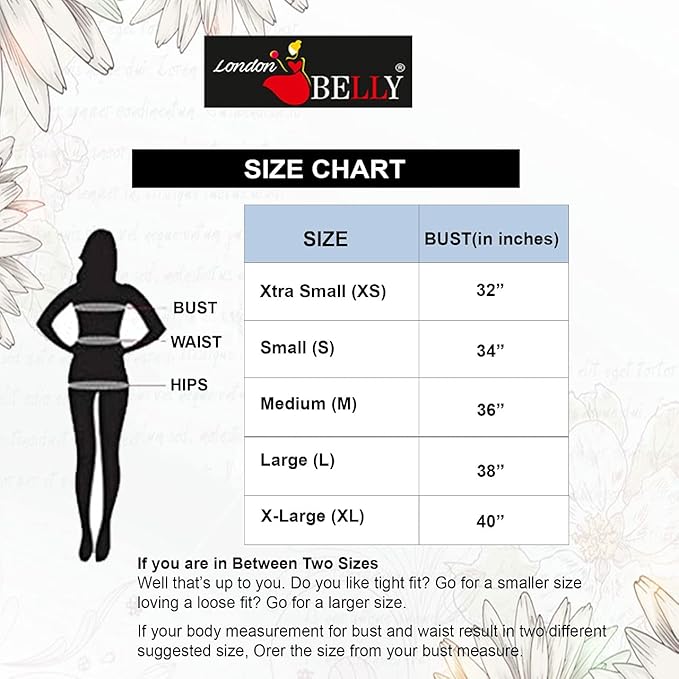
Always consult size charts carefully and take accurate body measurements before purchasing. Online retailers usually provide detailed guides to help you choose the right size.
Caring for Your Formal Wear Dresses
To maintain your formal wear dresses’ look and longevity:
-
Proper Cleaning
Dry clean delicate fabrics like silk and lace. For polyester blends and cotton, gentle machine wash or hand wash is often sufficient. -
Storage
Store dresses in breathable garment bags away from direct sunlight. Use padded hangers to maintain shape. -
Handling Embellishments
Be mindful of sequins, beads, or lace when cleaning or storing. Avoid snagging with jewelry or accessories. -
Pressing and Ironing
Use low heat for delicate fabrics and always iron inside out or use a cloth to protect the surface.
Conclusion: Elevate Your Style with the Perfect Formal Wear Dresses
Formal wear dresses are an essential component of every wardrobe, providing elegance, comfort, and versatility for countless occasions. Understanding fabric choices, silhouettes, accessories, and care ensures you look and feel your best, whether attending a wedding, corporate event, or formal party.
With timeless classics and emerging trends at your fingertips, you can confidently build a collection of formal wear dresses tailored to your lifestyle and personal style. Remember, the key to exceptional formal dressing lies not only in the dress itself but also in the details, fit, and thoughtful accessorizing.
Reviews
There are no reviews yet.