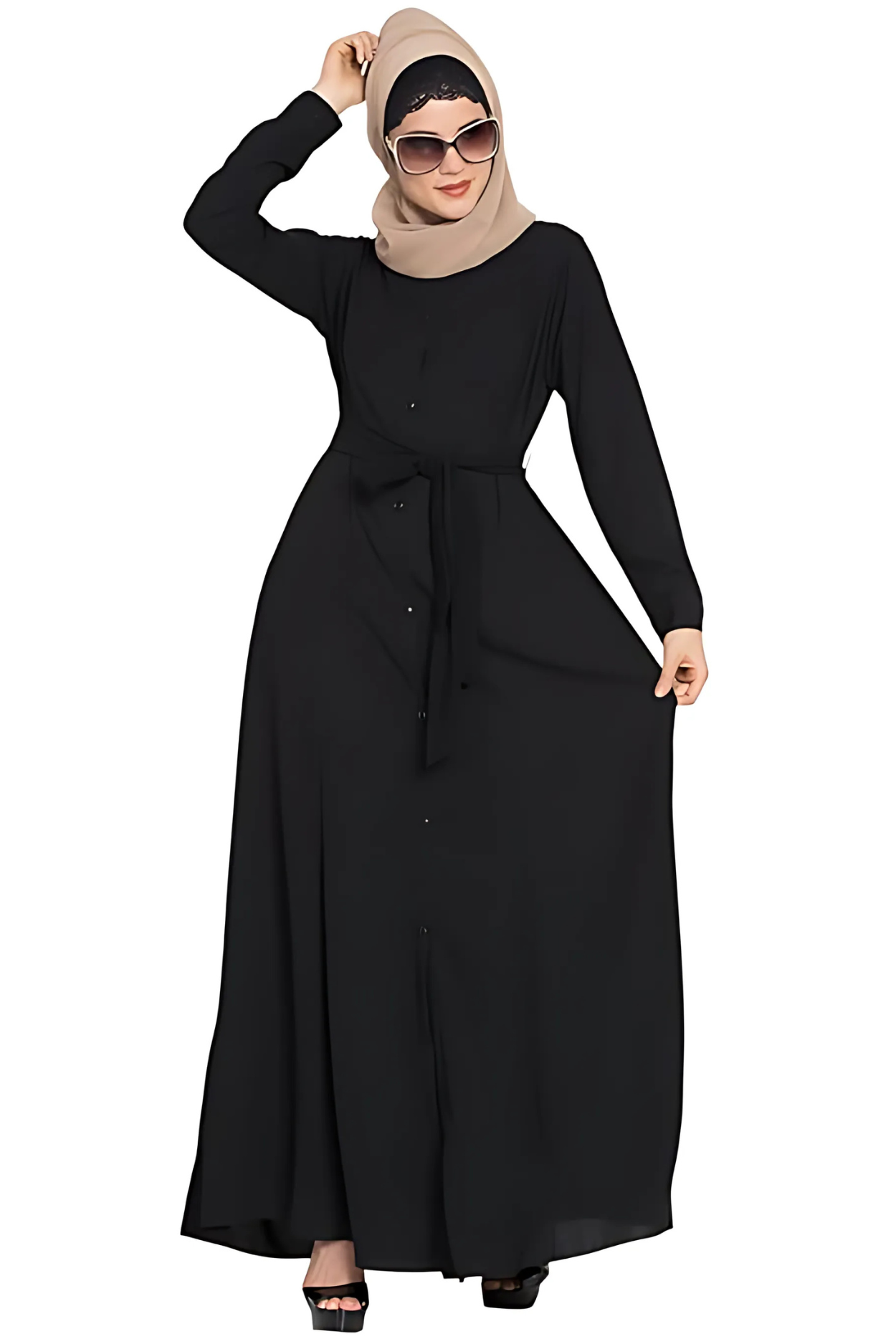
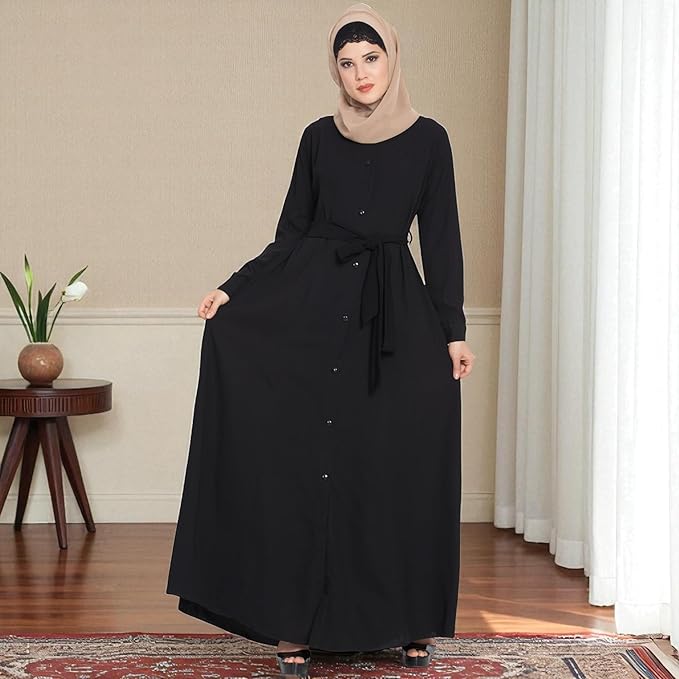
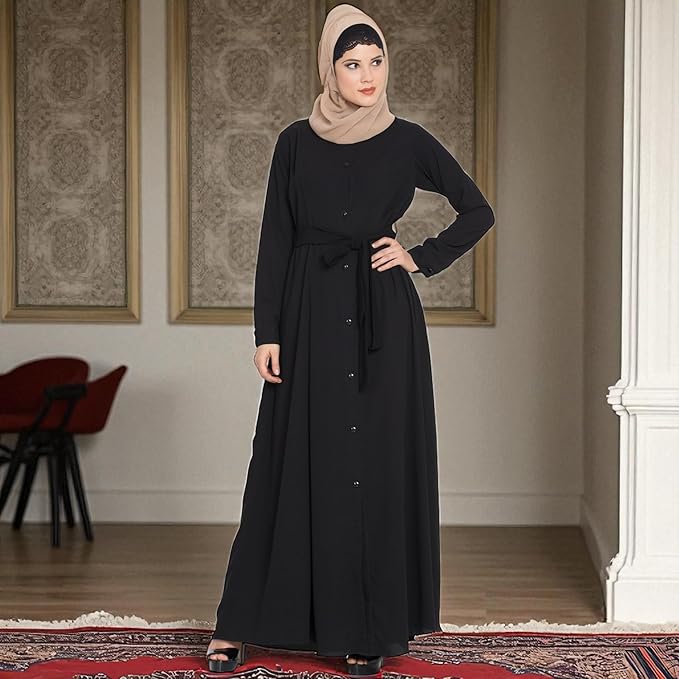
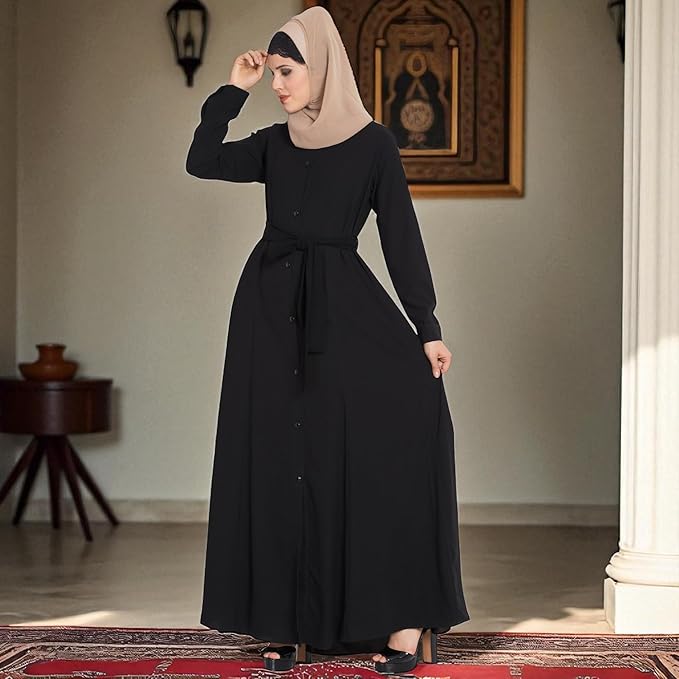
Girls formal dresses combine comfort, perfect for special occasions. Choose breathable fabrics, stylish designs, and easy care for lasting charm.
girls formal dresses
Original price was: ₹3,699.00.₹1,599.00Current price is: ₹1,599.00.
Description
Girls Formal Dresses: The Ultimate Guide to Elegance and Style
Formal dresses for girls are more than just garments — they are expressions of grace, personality, and occasion-specific elegance. Whether attending weddings, school functions, religious ceremonies, or family gatherings, a girl’s formal dress sets the tone for her presence and confidence. This comprehensive guide explores the world of girls formal dresses, weaving in the latest trends, timeless styles, and practical tips for selecting the perfect outfit that blends modesty, comfort, and fashion.
Understanding Girls Formal Dresses
Formal dresses for girls come in a variety of designs, fabrics, and cuts. From flowing gowns to classic midi dresses, each style offers unique charm suited to different occasions. Unlike casual wear, formal dresses often emphasize detail, fabric quality, and design intricacy to elevate the wearer’s look.
Key Features of Formal Dresses for Girls 
 :
:
-
Material Quality: Premium fabrics such as silk, satin, chiffon, and fine cotton blends are preferred for their luxurious feel and appearance.
-
Design Details: Embroidery, lace, sequins, and pleats add texture and sophistication.
-
Fit and Comfort: Proper tailoring ensures ease of movement while maintaining elegance.
-
Color Palette: Ranges from soft pastels to vibrant jewel tones and classic neutrals.
-
Occasion Suitability: Different dresses for weddings, parties, formal dinners, and religious events.
Spotlight on Abayas as Formal Wear
An abaya is a traditional, modest dress often worn in many cultures, but its design and fabric choices can make it an exquisite option for formal occasions. For girls, modern abayas blend modesty with contemporary fashion, ensuring they feel both comfortable and stylish.
Premium Features of a Formal Abaya for Girls
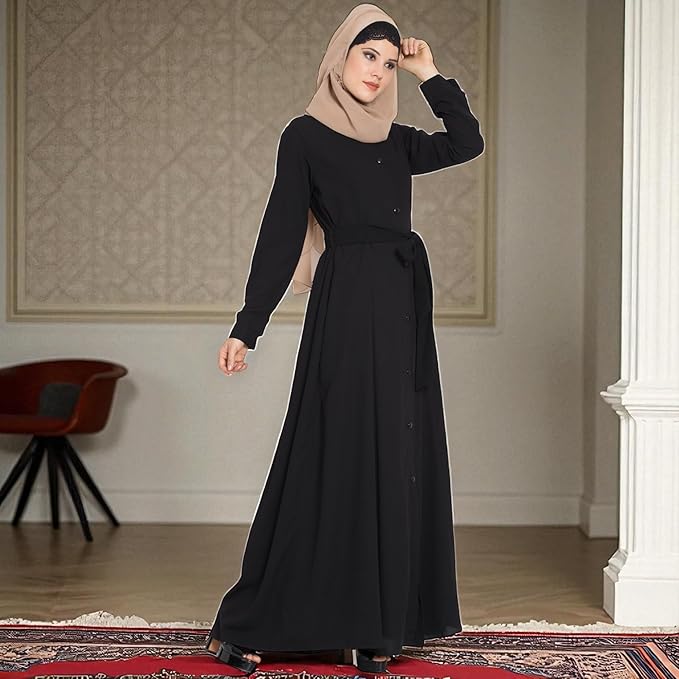
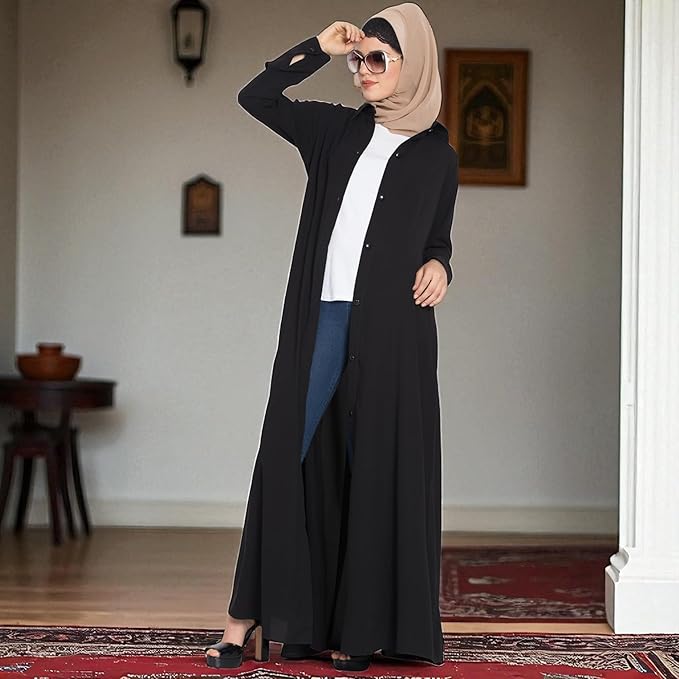
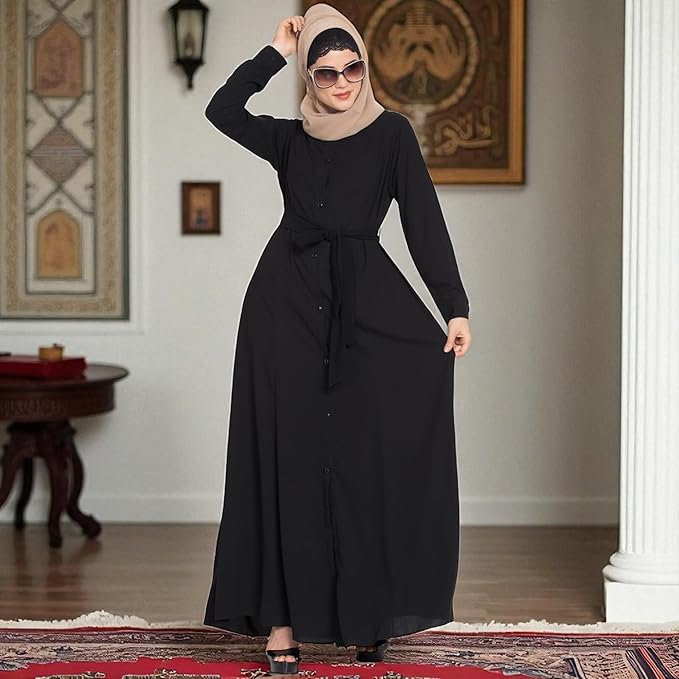
Take, for example, the elegant black abaya crafted from Nida Matt fabric, known for its lightweight yet structured quality. The front-open design allows versatility in layering, making it suitable for multiple seasons and occasions. The box pleat detailing adds an element of movement and sophistication, enhancing the silhouette while maintaining modesty.
-
Material: Soft, breathable, yet durable Nida Matt ensures comfort throughout the day.
-
Design: Front open with box pleats for elegance.
-
Care: Requires dry cleaning to maintain fabric integrity and color.
-
Wearability: Suitable for professional settings, family gatherings, travel, and formal events.
-
Year-Round Use: Light enough for summer yet substantial enough for layering in winter.
This example reflects how traditional attire can be adapted into formalwear, creating options that suit cultural preferences without compromising on style.
Types of Girls Formal Dresses
Formal dresses vary widely, but can generally be categorized into the following types:
1. Ball Gowns
Characterized by full skirts and fitted bodices, ball gowns are perfect for grand events like weddings and debutante balls. They often feature intricate embroidery, sequins, or beadwork.

2. A-Line Dresses
Flattering for most body types, A-line dresses flare out gently from the waist, combining elegance with comfort. They are suitable for a range of events from school proms to formal dinners.
3. Sheath Dresses
These dresses follow the body’s contours closely, offering a sleek, polished look. Made from fabrics like satin or silk, they are ideal for formal gatherings requiring sophistication.
4. Empire Waist Dresses
Defined by a raised waistline just below the bust, these dresses are particularly popular for younger girls and those seeking a modest yet chic style.
5. Skater Dresses
With a fitted top and flared skirt, skater dresses balance playfulness and formal appeal. Using materials like Lycra blends ensures both stretch and structure.
6. Traditional and Cultural Formalwear
Examples include the abaya mentioned earlier, sarees, lehengas, and other culturally significant garments adapted for formal occasions.
Choosing the Right Fabric
The fabric of a formal dress greatly affects both appearance and comfort. Here’s a rundown of popular choices:
-
Nida Matt: Lightweight, matte finish fabric that is soft and breathable. Perfect for layered, modest dresses like abayas.
-
Silk: Luxurious and smooth, ideal for high-end formal dresses.
-
Satin: Shiny and smooth, offering a glamorous look.
-
Chiffon: Lightweight and flowy, great for layered and airy dresses.
-
Tulle: Often used in ball gowns for volume.
-
Cotton Blends: For comfort with a polished look.
Essential Design Elements in Girls Formal Dresses
Pleats and Folds
Pleats add dimension and movement to a dress. The box pleats, as seen in the premium abaya, create a flattering structure and graceful flow.
Embellishments
Sequins, pearls, beads, and embroidery offer a spark of glamour without overpowering the dress.
Necklines and Sleeves
-
Collared Necklines: Offer a classic and polished look.
-
Semi Cutaway and Round Necklines: Suitable for formal yet youthful dresses.
-
Sleeves: Long sleeves provide modesty and sophistication; 3/4 sleeves balance coverage with style.
Styling Tips for Girls Formal Dresses
Accessories
-
Hijabs and Shawls: For modest attire like abayas, choose complementary or contrasting colors.
-
Jewelry: Subtle pieces enhance elegance without distraction.
-
Footwear: Ballet flats, low heels, or dressy sandals complement formal dresses.
Layering
Layer dresses with cardigans or boleros in cooler months. The front-open style abayas can be layered over dresses for versatile styling.
Hair and Makeup
Keep hairstyles neat and appropriate for age. Light makeup for teens, if any, enhances natural beauty.
Practical Tips for Selecting Formal Dresses for Girls
-
Fit is Key: Ensure the dress fits well but allows freedom of movement.
-
Comfort Matters: Look for breathable fabrics, especially for long events.
-
Consider Occasion and Season: Match dress style and material to the event and weather.
-
Check Care Instructions: Dry clean-only dresses require special attention.
-
Budget Wisely: Quality often correlates with cost, but many affordable options exist.
Care and Maintenance of Formal Dresses
Proper care ensures longevity:
-
Dry Cleaning: Essential for delicate fabrics like Nida Matt or dresses with embellishments.
-
Storage: Use garment bags to protect from dust and damage.
-
Handling: Avoid rough surfaces that may snag fabric.
Conclusion
Girls formal dresses serve as an essential part of wardrobe for various special occasions, combining comfort, style, and cultural significance. Whether it’s a sleek black abaya with exquisite box pleats or a glittering ball gown, the right dress can empower young girls with confidence and elegance.
From fabric choices to design details, and styling tips to care advice, selecting the perfect formal dress is a rewarding experience. Embracing both tradition and modern trends ensures every girl can find a dress that celebrates her individuality while respecting the formality of the occasion.
Girls Formal Dresses: A Comprehensive Exploration of Elegance, Style, and Practicality
Girls formal dresses symbolize much more than just apparel. They represent milestones, special moments, and cherished memories. Whether it’s the elegance of a wedding, the joy of a graduation ceremony, or the importance of a religious festival, girls formal dresses play a pivotal role in marking these occasions with grace and charm.
In this extended guide, we will delve deeper into all aspects surrounding girls formal dresses—from historical influences to contemporary fashion trends, fabric innovation, cultural variations, and practical shopping advice. Our focus remains on providing a detailed, useful resource for parents, guardians, and young fashion enthusiasts looking to understand and select the best formal attire for girls.
The Historical and Cultural Significance of Formal Dresses for Girls
Formal dresses, while a staple in today’s wardrobe, have a rich history tied to societal customs and cultural rituals.
Evolution of Girls Formal Attire
-
Victorian Era Influence: The Victorian period popularized voluminous skirts, lace, and intricate detailing in girls’ formal wear, emphasizing modesty and grace.
-
20th Century Shifts: Post-World War fashions brought lighter fabrics and more practical cuts while retaining formal aesthetics.
-
Modern Times: Today’s girls formal dresses fuse tradition with contemporary trends, balancing style, comfort, and cultural expectations.
Cultural Variations
-
Western Formal Dresses: Often feature ball gowns, A-line dresses, and sheath styles made from satin, silk, or tulle. Colors range from pastels to jewel tones.
-
Middle Eastern Formal Dresses and Abayas: Modesty is central. Dresses like abayas are designed with elegance using fabrics like Nida Matt, incorporating pleats and embroidery.
-
South Asian Formal Dresses: Includes lehengas, anarkalis, and shararas with heavy embellishments, vibrant colors, and rich textiles.
-
East Asian Formal Dresses: Qipaos and hanboks adapted for girls often feature silk fabrics and delicate embroidery.
Understanding these cultural contexts helps in selecting dresses that honor heritage while embracing fashion.
Fabric and Material Innovation in Girls Formal Dresses
The textile industry continuously innovates to provide fabrics that enhance comfort, durability, and aesthetics for formal wear.
Popular Fabrics and Their Benefits
-
Nida Matt
-
Lightweight, matte finish.
-
Soft, breathable, excellent for abayas.
-
Durable and easy to drape.
-
-
Cotton Blends
-
Breathable and hypoallergenic.
-
Ideal for formal dresses worn in warmer climates.
-
Machine washable varieties increase practicality.
-
-
Silk
-
Luxurious texture and sheen.
-
Naturally breathable, though delicate and often dry-clean only.
-
Ideal for high-end formal events.
-
-
Satin and Taffeta
-
Smooth, glossy surfaces.
-
Provide volume and structure to gowns.
-
Often used in evening wear and ball gowns.
-
-
Chiffon and Organza
-
Sheer, lightweight fabrics.
-
Used for layering and creating flowy silhouettes.
-
Adds softness and romanticism.
-
-
Polyester Blends
-
Durable and wrinkle-resistant.
-
Can mimic natural fibers at a lower cost.
-
Easy to maintain, suitable for everyday formal wear.
-
Fabric Treatments and Finishes
-
Wrinkle-Resistant Finishes: Allow dresses to maintain a neat appearance through the day.
-
Moisture Cure Treatments: Enhance breathability, keeping the wearer comfortable.
-
Mercerization of Cotton: Increases fabric strength and color vibrancy.
Key Design Elements in Girls Formal Dresses
Each dress design incorporates features that contribute to the overall look, comfort, and appropriateness for formal occasions.
Collar Styles
-
Semi Cutaway Collar: Sharp and modern, often seen in formal shirts or dress overlays.
-
Classic Collar: Timeless and versatile.
-
Button-Down Collar: More casual but can be adapted for semi-formal looks.
Sleeves
-
Long Sleeves: Offer modesty and warmth, ideal for formal and religious settings.
-
3/4 Sleeves: Blend comfort and style, suitable for various occasions.
-
Sleeveless or Cap Sleeves: Popular for warm-weather formal events or less conservative environments.
Dress Length
-
Midi Length: Balanced, offering elegance without the challenge of floor-length dresses.
-
Full Length: Ideal for grand occasions, often paired with accessories like gloves or shawls.
-
Knee-Length: Popular for school events and less formal occasions.
Closure Types
-
Back Zip-Up: Common in fitted dresses, ensures a sleek silhouette.
-
Button Closure: Adds decorative detail while providing functional fastening.
-
Pull-On Styles: Comfortable and easy, ideal for younger girls.
Styling Girls Formal Dresses for Every Occasion
Knowing how to style a formal dress ensures the wearer feels confident and looks impeccable.
Accessories and Complementary Pieces
-
Hijabs and Shawls: For modest dresses, coordinating or contrasting hijabs add dimension and personalization.
-
Jewelry: Simple studs, delicate bracelets, or a pendant necklace suit young girls’ formal attire.
-
Footwear: Ballet flats, Mary Janes, or low-heeled shoes offer elegance and comfort.
-
Hair Accessories: Headbands, floral clips, or ribbons enhance the overall look.
Layering and Outerwear
-
Boleros and Shrugs: Add warmth and modesty.
-
Formal Coats: Tailored coats in neutral tones complement formal dresses during colder months.
-
Tights or Leggings: Offer additional warmth and modesty for winter events.
Makeup and Grooming
For older girls attending formal events, light makeup can enhance natural features while keeping age-appropriate style.
Practical Considerations When Purchasing Girls Formal Dresses
Buying a formal dress involves more than just picking a pretty outfit. It requires attention to fit, fabric, comfort, and maintenance.
Fit and Comfort
-
Proper Measurements: Height, chest, waist, and hip measurements ensure the perfect fit.
-
Allowance for Growth: Especially for younger girls, consider adjustable features or slightly larger sizes.
-
Comfortable Fabrics: Prioritize breathable and soft materials.
Occasion Suitability
-
Daytime vs Evening: Lighter colors and simpler designs work for day events; darker, embellished dresses suit evening.
-
Cultural Requirements: Respect cultural or religious dress codes.
Budget
-
Cost vs Quality: Invest in quality fabric and workmanship for dresses likely to be worn multiple times.
-
Rental Options: For one-time events, renting formal dresses can be economical.
Shopping Tips
-
Check Size Guides: Always refer to size charts and product measurements.
-
Read Reviews: Learn from other buyers’ experiences regarding fit and fabric.
-
Plan Ahead: Allow time for alterations and adjustments.
Maintenance and Care of Formal Dresses
Keeping formal dresses in pristine condition requires proper care:
-
Dry Cleaning: For delicate fabrics like silk, chiffon, and Nida Matt.
-
Machine Washable Fabrics: Use gentle cycles and cold water.
-
Storage: Use breathable garment bags to prevent yellowing and damage.
-
Avoid Direct Sunlight: Prevent color fading by storing dresses away from sunlight.
-
Ironing and Steaming: Use low heat or steam to remove wrinkles without harming fabric.
The Role of Formal Dresses in Building Confidence and Identity
Wearing a formal dress is often an empowering experience for young girls. It helps:
-
Celebrate Milestones: From birthdays to graduations, formal dresses mark important life moments.
-
Boost Self-Esteem: Feeling well-dressed enhances confidence.
-
Express Personal Style: Choices in color, fabric, and accessories allow girls to showcase their personality.
Spotlight on the Black Nida Matt Abaya
Returning to the example of the black abaya crafted from Nida Matt fabric, this garment perfectly illustrates the fusion of tradition and modern fashion.
-
Its front-open design allows easy layering, making it practical and stylish.
-
The box pleat detailing adds structure and a flattering silhouette.
-
The fabric’s breathability and durability ensure comfort during extended wear.
-
Suitable for professional settings, family gatherings, and formal events, it offers versatility.
-
Designed for year-round wear, it adapts well to climate variations.
Such abayas highlight how modest fashion can be both functional and beautiful.
Trends in Girls Formal Dresses
-
Sustainable Fabrics: Increasing demand for eco-friendly materials.
-
Mix of Tradition and Modernity: Combining classic silhouettes with contemporary details.
-
Customization: Personalized embroidery and tailored fits.
-
Multipurpose Designs: Dresses that transition easily between occasions.
Conclusion
Girls formal dresses represent a beautiful intersection of fashion, culture, and practicality. Selecting the right dress involves understanding fabric qualities, design elements, occasion requirements, and the wearer’s comfort. Whether it’s a classic ball gown, a sleek sheath dress, or a modest abaya with elegant pleats, formal attire for girls empowers them to shine with confidence and grace.
By investing in quality materials, paying attention to fit, and styling thoughtfully, every girl can experience the joy of dressing for special occasions with poise and style. From cultural traditions to modern innovations, girls formal dresses continue to evolve, celebrating youth and elegance in myriad beautiful forms.
Styling Tips to Elevate Girls Formal Dresses
Choosing the right dress is just the beginning. How you style girls formal dresses can make all the difference in creating a memorable look that balances elegance and comfort.
Choosing the Right Accessories
-
Headwear: Depending on the occasion, adding a delicate tiara, floral crown, or embellished hairpins can enhance the dress’s formal appeal.
-
Jewelry: For younger girls, keep jewelry simple with small studs or charm bracelets. For older girls, subtle necklaces or pearl earrings complement the dress without overpowering it.
-
Belts and Sashes: Adding a satin or velvet sash at the waist can accentuate the silhouette and add a pop of color or texture.
Footwear
-
Comfort Is Key: Formal events often require standing or walking for extended periods, so opt for shoes that combine style and comfort. Soft leather or cushioned ballet flats are excellent choices.
-
Matching Colors: Coordinate shoes with the dress or accessories to maintain a cohesive look.
Outerwear and Layering
-
Shrugs and Boleros: Lightweight cardigans or boleros add warmth without detracting from the dress’s elegance.
-
Coats and Capes: For winter occasions, a tailored coat or cape in complementary colors adds sophistication and keeps your child warm.
Sustainability in Girls Formal Dresses
In today’s world, sustainability is more than a trend—it’s a responsibility. Many brands now focus on creating eco-friendly girls formal dresses by:
-
Using Organic or Recycled Fabrics: Materials such as organic cotton, bamboo blends, or recycled polyester reduce environmental impact.
-
Ethical Manufacturing Practices: Certified factories ensure fair labor practices and reduce waste.
-
Durable Designs: Investing in well-made dresses that can be worn multiple times or passed down helps reduce textile waste.
When shopping, look for labels mentioning eco-certifications, sustainable sourcing, or recycled packaging to support environmentally conscious choices.
Practical Buying Advice for Girls Formal Dresses
Finding the perfect formal dress requires balancing style, comfort, and practicality. Here are some helpful tips:
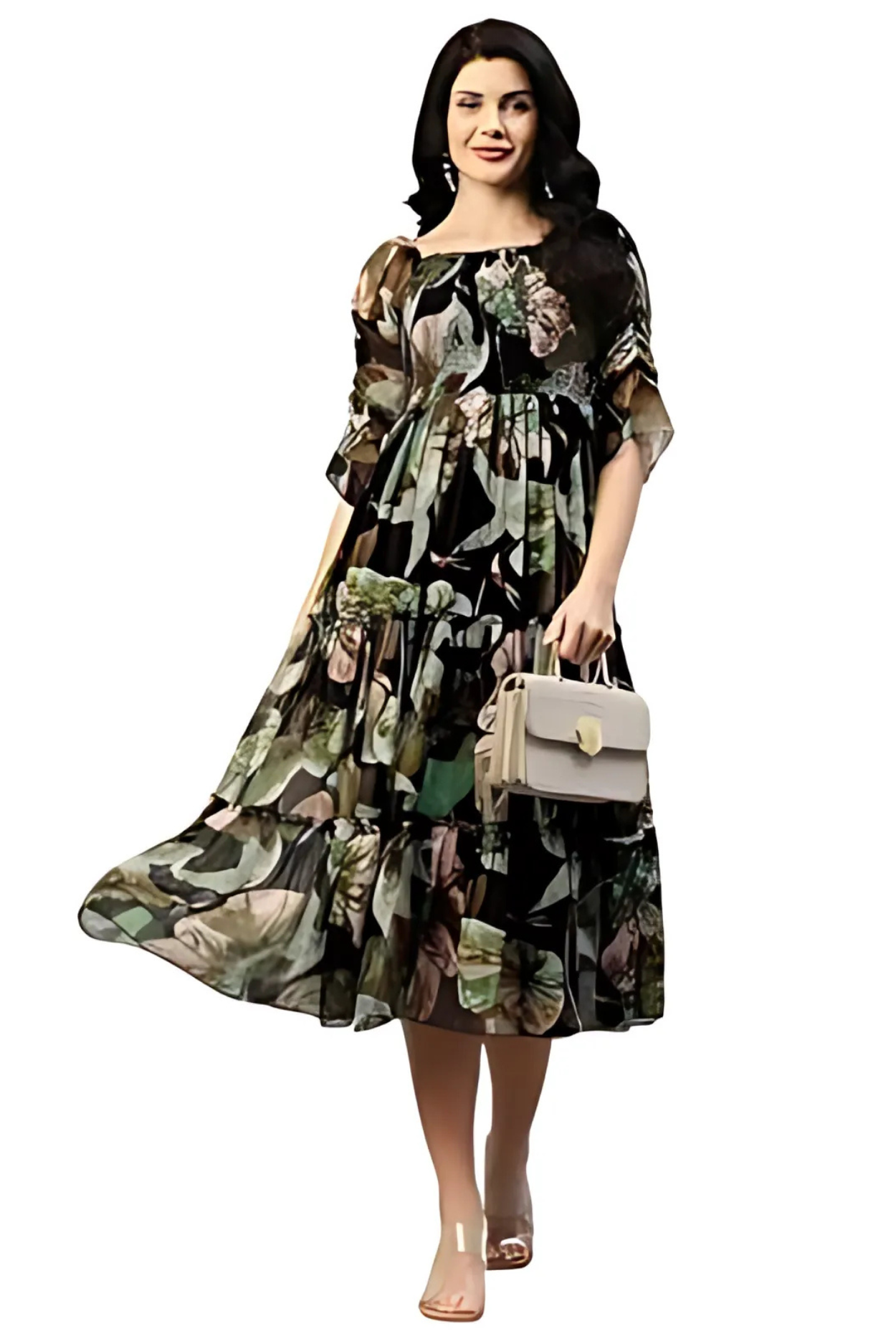
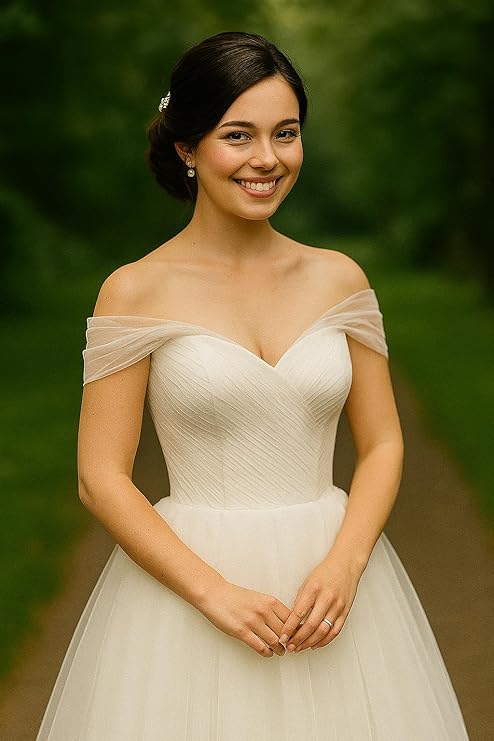
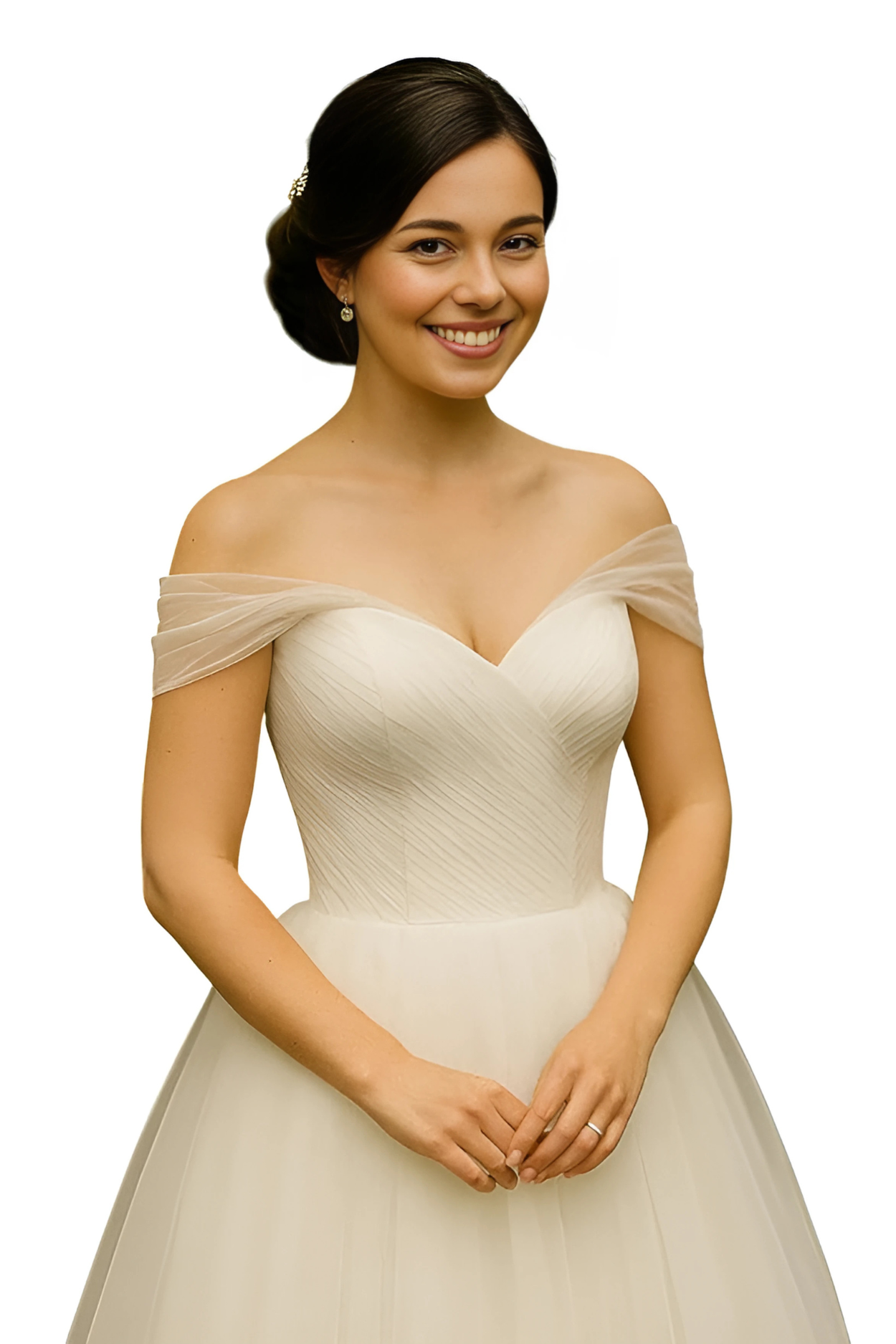
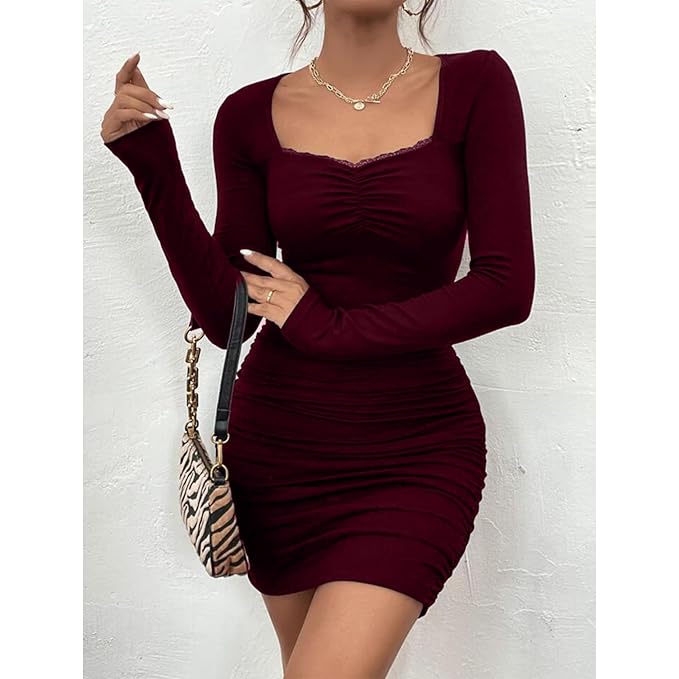
girls formal dresses
girls formal dresses
girls formal dresses
girls formal dresses
Understand the Occasion
-
Formal dresses for weddings may be more ornate and delicate.
-
School events or recitals might call for simpler, easier-to-maintain fabrics.
-
Cultural or religious events may require modest styles like long sleeves or specific colors.
Prioritize Comfort
-
Opt for breathable fabrics, especially for outdoor or long-duration events.
-
Avoid stiff or itchy materials that may irritate sensitive skin.
Pay Attention to Fit and Size
-
Use size charts and measure carefully.
-
Consider adjustable features like elastic waistbands, ribbons, or back lacing for a better fit.
-
Leave some room for growth, especially for younger children.
Check Care Instructions
-
Dresses that are machine washable save time and reduce dry-cleaning expenses.
-
For delicate fabrics, plan ahead for professional cleaning.
Consider Versatility
-
Choose dresses that can be styled differently for multiple occasions.
-
Neutral or classic colors like ivory, navy, or blush have broad appeal.
Final Thoughts
Girls formal dresses are an essential part of celebrating life’s special moments. Beyond fabric and design, the right dress reflects personality, cultural heritage, and evolving fashion trends. By embracing quality, sustainability, and thoughtful styling, every girl can enjoy wearing formal attire that makes her feel confident, comfortable, and truly special.
With these insights, parents and caregivers can make informed decisions to find beautiful dresses that honor tradition while embracing modern needs—creating memories that last a lifetime.
Reviews
There are no reviews yet.