Discover formal clothes for men—tailored fits, quality fabrics, and timeless style for every and special occasion. Dress sharp, feel confident!
formal clothes for men
Original price was: ₹2,599.00.₹1,399.00Current price is: ₹1,399.00.
Description
Formal Clothes for Men  : Style, Comfort, and Elegance
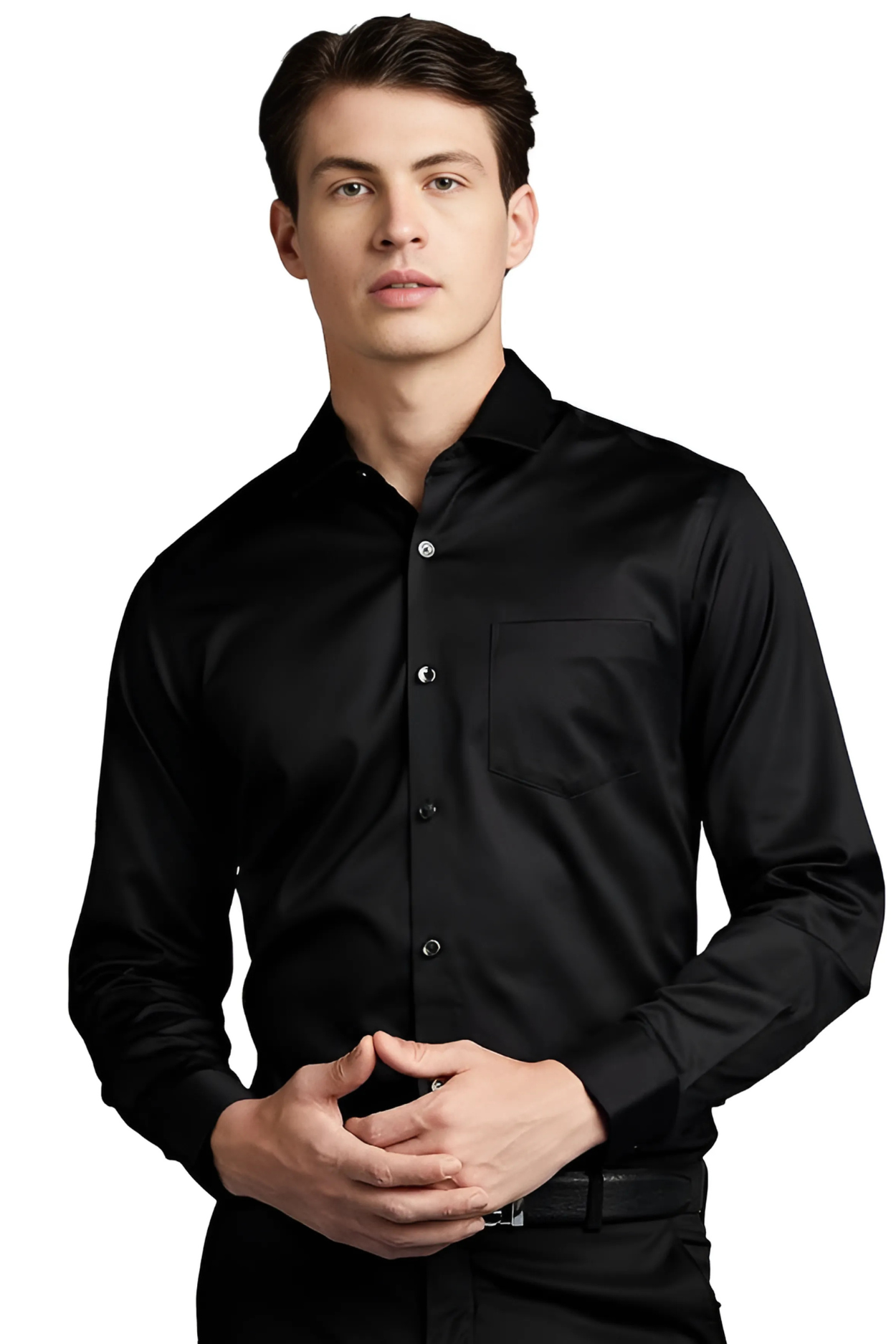
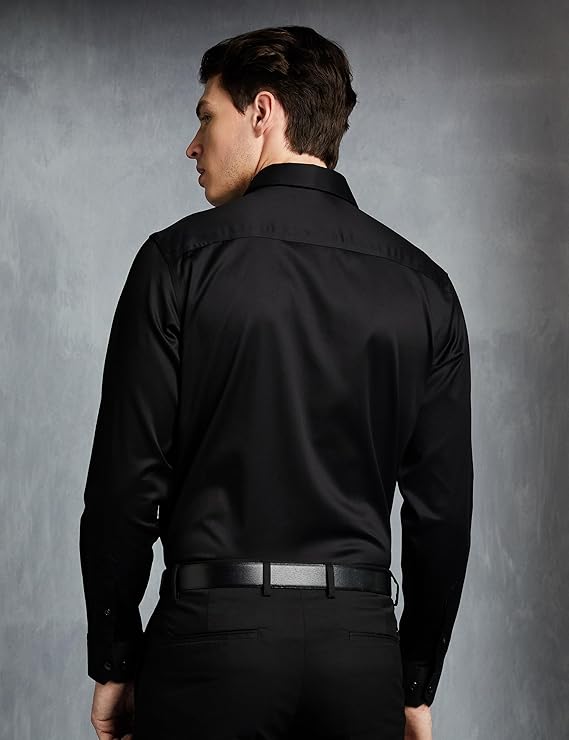
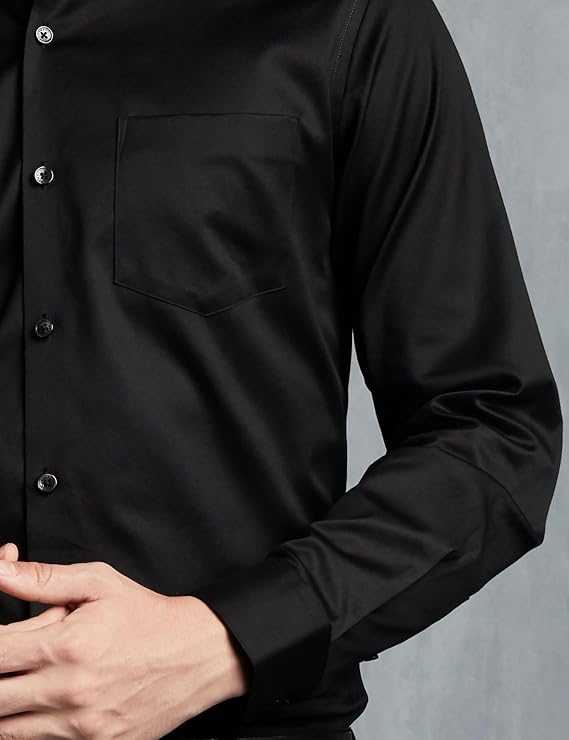
When it comes to dressing for success, formal clothes for men play a crucial role in making the right impression. Whether it’s for a business meeting, a formal event, or a professional setting, the right formal attire can boost confidence and showcase a polished, sophisticated image. In this comprehensive guide, we explore the key elements of formal clothes for men, focusing on quality, comfort, style, and maintenance, with an emphasis on a standout piece: the wrinkle-resistant regular fit cotton formal shirt.
Understanding Formal Clothes for Men
Formal clothes for men generally refer to outfits suitable for occasions that demand a polished and refined appearance. These include office wear, business meetings, weddings, and other ceremonial events. The foundation of formal wear often begins with shirts, trousers, blazers, and matching accessories such as ties, belts, and shoes.
Among these essentials, the formal shirt is the backbone of the outfit. It sets the tone for the entire look and complements other pieces perfectly when chosen with care.
Why Choose Cotton Formal Shirts?
Cotton has been a timeless fabric choice for formal wear. A 100% cotton formal shirt offers numerous benefits that enhance comfort and appearance:
-
Breathability: Cotton allows air circulation, keeping you cool and dry during long hours at work or events.
-
Durability: Cotton fabric is sturdy and withstands frequent wear and washing.
-
Softness: The natural fibers provide a soft texture, preventing skin irritation.
-
Wrinkle-Resistance: Modern treatments such as moisture cure finish reduce creases, maintaining a crisp look throughout the day.
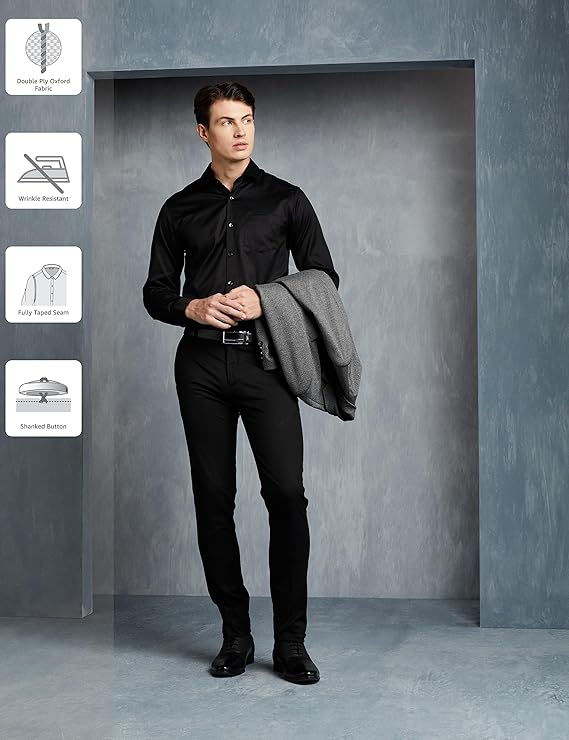
The product described—a 100% cotton formal shirt in twill weave with wrinkle-resistant finish—exemplifies these benefits. Twill weave enhances durability and adds subtle texture, giving the shirt a refined appearance without compromising comfort.
Features to Look For in Formal Clothes for Men
When shopping for formal clothes for men, consider these important features to ensure both style and functionality:
1. Fit and Cut
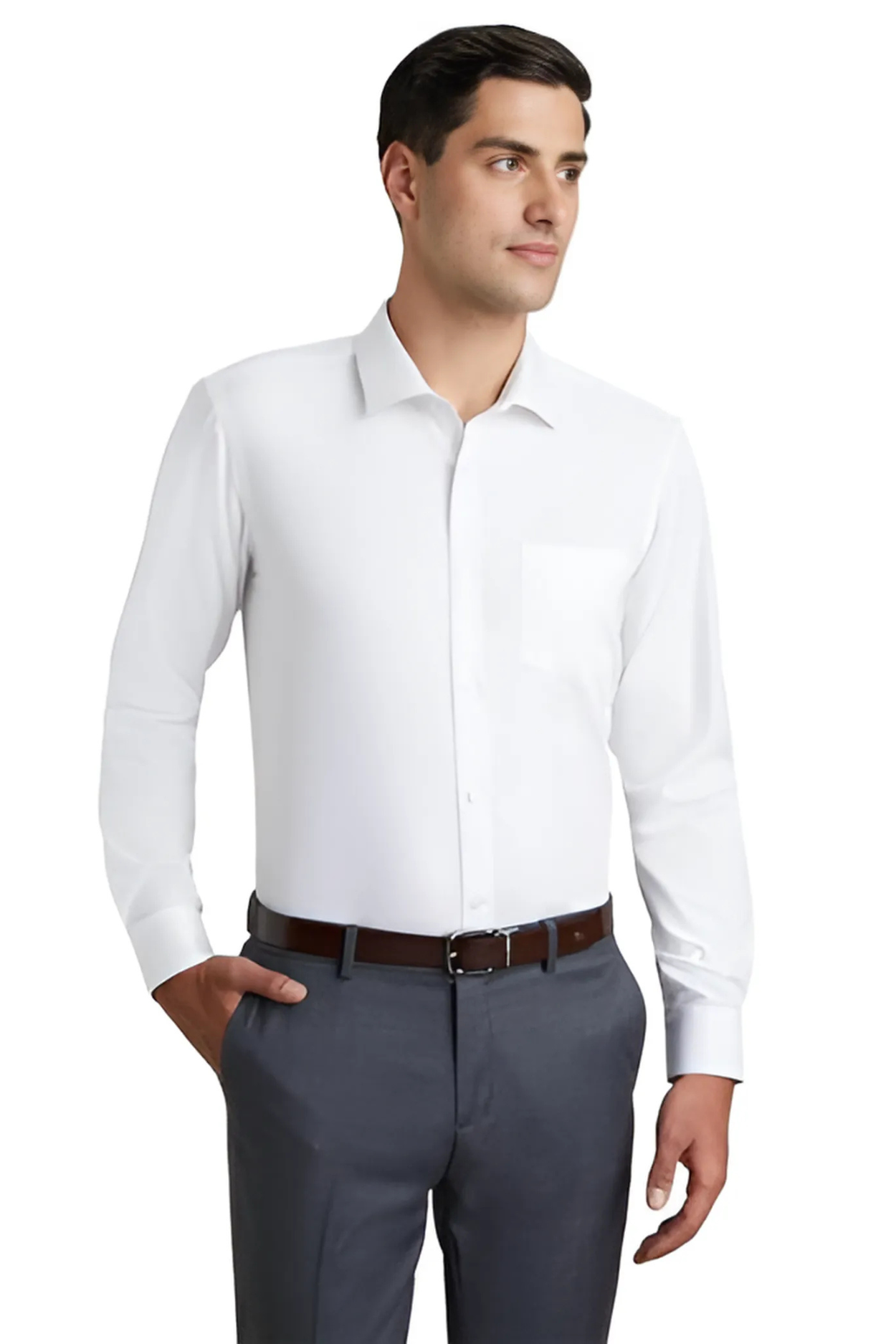
Fit is paramount. A well-fitted shirt enhances your physique and ensures comfort. The shirt discussed is a regular fit, which offers a balanced silhouette—not too tight, not too loose—ideal for most body types.
Other fit types include slim fit (more tailored) and classic fit (roomier), but regular fit strikes a perfect balance for professional settings.
2. Collar Style
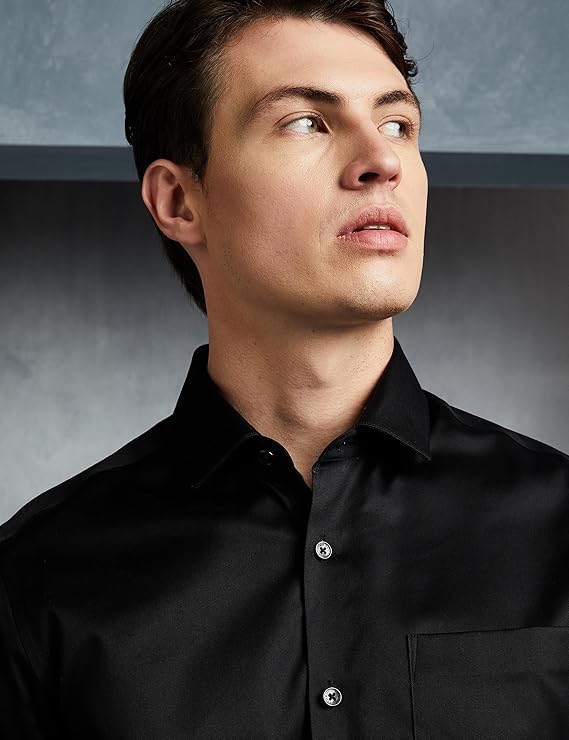
The collar frames your face and supports ties if you wear them. The semi cutaway collar on this shirt is modern and sharp, suitable for various tie knots or even a casual unbuttoned look.
3. Fabric Quality and Weave
A high-quality fabric such as cotton twill ensures durability and comfort. Twill weave creates a diagonal pattern that adds strength and a subtle sheen, elevating the shirt’s formal look.
4. Wrinkle Resistance
No one wants to appear disheveled. The wrinkle-resistant finish on this shirt allows you to stay crisp throughout the day without the need for constant ironing, making it ideal for busy professionals.
5. Button and Stitching Details
Durability and aesthetics go hand in hand. Shanked and wrapped buttons add longevity and a refined finish. Quality stitching ensures the garment withstands wear and maintains its shape.
Styling Tips: Elevate Your Formal Clothes for Men
Pairing Formal Shirts
The versatility of a solid color cotton formal shirt makes it a wardrobe staple. Here’s how to style it effectively:
-
With Formal Trousers: Match your shirt with tailored trousers in neutral shades such as black, navy, or charcoal to keep the look classic.
-
Under a Blazer: For meetings or formal events, layering with a well-fitted blazer or suit jacket enhances sophistication.
-
Ties and Accessories: A tie can complement your shirt’s collar style. Choose ties that match your suit and shoes for a cohesive appearance.
-
Footwear: Polished leather shoes like Oxfords or Derby shoes complete the formal ensemble.
Caring for Your Formal Clothes
Proper maintenance ensures longevity and keeps your clothes looking fresh:
-
Washing: Follow garment instructions. For wrinkle-resistant cotton shirts, machine wash in cold water to preserve fabric and finish.
-
Ironing: Remove collar bones before washing and reinsert after ironing to maintain collar shape.
-
Storage: Hang your shirts on quality hangers to avoid wrinkles and creases.
Why Formal Clothes Matter for Men
In professional environments, clothing is often the first impression. Studies show that well-dressed individuals are perceived as more competent and trustworthy. Investing in quality formal clothes for men, such as the cotton twill formal shirt highlighted here, is an investment in your personal brand.
Conclusion: The Best Choice for Formal Clothes for Men
In summary, choosing the right formal clothes for men is about balancing style, comfort, and durability. The 100% cotton, wrinkle-resistant formal shirt in twill weave with a semi cutaway collar is an excellent example of this balance. Its breathable fabric, regular fit, and sophisticated details make it a reliable choice for any formal occasion.
Upgrade your wardrobe with such timeless pieces to ensure you’re always dressed for success.
Mastering Formal Clothes for Men: An Extensive Guide to Timeless Style and Confidence

When we discuss formal clothes for men, we enter the world of sophistication, professionalism, and timeless fashion. The right formal attire not only elevates your appearance but also reflects your personality and commitment to quality. Whether you’re dressing for a high-stakes business meeting, an important presentation, or a formal social event, your choice of clothing sends a powerful message.
This extended guide will walk you through everything you need to know about formal clothes for men—from fabric choices and fits to accessories, care tips, and dressing etiquette—helping you build a versatile and polished wardrobe that works for any formal occasion.
1. The Foundation: Choosing the Right Fabric for Formal Clothes for Men
The fabric of your formal clothes plays a crucial role in both comfort and appearance. The modern professional needs garments that look sharp but also offer breathability and durability.
Cotton
As covered earlier, 100% cotton remains a top choice for formal shirts due to its softness, breathability, and natural comfort. Cotton twill fabrics add extra strength and a subtle sheen, making them perfect for office wear and formal events. Plus, wrinkle-resistant finishes in cotton shirts provide convenience, maintaining a crisp look with minimal ironing.
Wool and Wool Blends
When it comes to trousers and suits, wool is a classic favorite. Lightweight merino wool is breathable and drapes beautifully, while heavier wool varieties provide warmth for colder climates. Wool blends mixed with synthetic fibers improve wrinkle resistance and stretch, making your formal trousers or suits more comfortable for long wear.
Polyester Blends
Polyester blends are often used in formal trousers and suits to add durability and reduce costs. These blends resist wrinkles and hold their shape well, which is why many modern formal clothes for men combine polyester with natural fibers.
Linen
Linen is a summer favorite, offering unmatched breathability. Though less formal due to its natural tendency to wrinkle, linen suits and shirts can be appropriate in warm-weather settings or less strict formal occasions.
2. Key Components of Formal Clothes for Men
Shirts
The shirt is the most visible and versatile element of formal wear. Here are the key details that define a good formal shirt:
-
Fit: Regular, slim, or tailored fit, depending on body type and personal preference.
-
Collar: Options include classic point, semi cutaway, spread, and button-down collars. Semi cutaway collars offer a modern, sharp look and work well with various tie knots.
-
Fabric: Preferably 100% cotton or cotton blends with wrinkle-resistant treatment for ease of maintenance.
-
Colors and Patterns: Solid colors like white, light blue, and pastels dominate the formal scene, while subtle stripes or checks can add personality without losing professionalism.
Trousers
Formal trousers should be well-tailored and complement your shirt and jacket. Consider:
-
Fit: Slim or straight leg for a clean silhouette.
-
Fabric: Wool blends, polyester blends, or cotton-poly blends are common.
-
Colors: Black, navy, charcoal, and grey are versatile choices.
-
Details: Features like welt pockets, button and zip closures, and reinforced seams add to durability and style.
Jackets and Blazers
A formal jacket or blazer instantly upgrades your attire. Pay attention to:
-

Fabric: Wool, wool blends, or polyester blends for structure and durability.
-
Cut: Single-breasted jackets are the most common for formal wear; two or three-button styles depending on current trends.
-
Fit: Tailored fit to accentuate the shoulders and waist.
-
Details: Classic lapels (notch or peak), minimal embellishments, and high-quality buttons enhance sophistication.
3. Accessories That Complement Formal Clothes for Men
Accessories can make or break your formal outfit. Here’s how to elevate your look:
Ties and Pocket Squares
A well-chosen tie adds color and personality. Stick to silk ties in solid colors or subtle patterns for the most formal settings. Pocket squares offer a dash of flair but should coordinate, not match exactly, with your tie.
Belts and Shoes
A black or brown leather belt matching your shoes creates a cohesive look. Formal leather shoes like Oxfords, Derbys, or Brogues in black or dark brown remain the gold standard. Ensure shoes are polished and in good condition.
Watches and Cufflinks
Classic watches with leather or metal bands add elegance without overwhelming your outfit. For French cuff shirts, choose understated, quality cufflinks to complement your style.
4. Dressing Etiquette: When and How to Wear Formal Clothes for Men
Understanding when and how to wear formal attire is essential for making the right impression.
Business Formal
This is the most traditional dress code in corporate environments. A suit (matching jacket and trousers), a formal shirt, tie, leather shoes, and minimal accessories are the norm.
Business Casual
Though less formal, business casual still requires neat attire. Formal trousers paired with a cotton shirt (with or without a blazer), no tie required, are typical.
Formal Events
Weddings, galas, and black-tie events demand formalwear such as tuxedos or dark suits with crisp white shirts and polished shoes.
5. Care and Maintenance for Formal Clothes for Men
Your formal clothes deserve the best care to ensure longevity and maintain a sharp look:
-
Shirts: Machine wash cotton shirts on a gentle cycle with mild detergent. Remove collar stays before washing and reinsert them post-ironing to maintain shape. Iron shirts inside out to protect fabric finish.
-
Trousers: Dry clean wool or wool blend trousers. For polyester blends, check care labels for washing instructions.
-
Suits and Jackets: Dry clean only, ideally after several wears to preserve fabric integrity. Store on broad wooden hangers to maintain shape.
-
Shoes: Regularly polish and condition leather shoes, and use shoe trees to maintain form.
6. Building a Versatile Formal Wardrobe for Men
Investing in essential pieces allows you to mix and match with ease:
-
White and Light Blue Formal Shirts: Classic and versatile.
-
Navy and Charcoal Suits: Suitable for most formal occasions.
-
Black and Brown Leather Shoes: Covering different dress codes.
-
Formal Trousers in Grey, Navy, and Black: Mix with blazers or shirts.
-
Ties and Accessories: Neutral and bold tones for different looks.
7. Trending Styles in Formal Clothes for Men
Fashion evolves, but timelessness rules formal attire. Today’s trends emphasize:
-
Slimmer fits for shirts, trousers, and jackets.
-
Minimalistic design and subtle textures like twill weaves.
-
Stretch fabrics for enhanced comfort.
-
Sustainable and ethical manufacturing—like products made in certified factories with recycled packaging.
Conclusion
Formal clothes for men are more than just garments—they are an expression of professionalism, attention to detail, and respect for the occasion. Investing in high-quality, comfortable, and stylish pieces such as wrinkle-resistant cotton shirts, tailored trousers, and classic blazers ensures you are always dressed to impress.
Remember, the key to mastering formal wear lies in fit, fabric, and care. Build your wardrobe thoughtfully, accessorize wisely, and maintain your clothes diligently. This approach will make formal dressing effortless and elevate your style to new heights.
The Definitive Guide to Formal Clothes for Men: Timeless Elegance and Modern Sophistication
When it comes to formal clothes for men, it’s not just about what you wear—it’s about how you wear it, why you choose certain fabrics and cuts, and how you maintain your attire to ensure a polished, confident appearance every time. This guide is designed to offer an in-depth understanding of formal menswear, covering historical perspectives, fabric technology, wardrobe essentials, styling tips, and care instructions to help you master the art of dressing formally.
1. A Historical Overview of Formal Clothes for Men
Understanding the origins and evolution of formal menswear helps appreciate its current styles and practices.
Early Beginnings
Formal dressing for men has roots dating back centuries, from the elaborate court outfits of European aristocracy to the tailored suits of the industrial age. In the 19th century, the modern suit as we know it began to take shape—structured jackets, matching trousers, and waistcoats became symbols of professionalism and social status.
The 20th Century: Modern Formal Wear Takes Shape
By the early 1900s, formal clothes for men became more standardized. The tuxedo, lounge suits, and formal shirts started to define the dress codes for various occasions. The mid-century saw the rise of slim-fit tailoring, and post-2000s, the trend moved towards comfort with stretch fabrics and sustainable materials.
2. The Science of Fabrics in Formal Clothes for Men
The fabric composition of your formal attire dramatically influences comfort, durability, and aesthetic appeal.
Cotton: The Go-To Fabric
Cotton’s natural breathability, softness, and moisture-wicking properties make it the preferred fabric for formal shirts. Mercerised cotton, often used in high-end shirts, undergoes a finishing process that enhances its luster and strength, contributing to a crisp look that lasts throughout the day.
Wool and Wool Blends: The Classic Choice
Wool, especially superfine merino wool, is prized for its temperature regulation, wrinkle resistance, and luxurious feel. Wool blends, combining wool with polyester or elastane, offer additional stretch and durability—important for modern men who balance style with practicality.
Synthetic Fabrics: Polyester and Beyond
Polyester blends are common in formal trousers due to their wrinkle resistance and affordability. Advances in textile technology have produced microfiber polyesters that mimic the look and feel of natural fabrics while providing superior performance in terms of moisture management and durability.
Emerging Sustainable Fabrics
The fashion industry’s shift towards sustainability is impacting formal menswear. Fabrics made from organic cotton, recycled polyester, and other eco-friendly fibers are increasingly available in formal clothes for men, combining style with environmental responsibility.
3. Essential Wardrobe Pieces: Building Blocks of Formal Clothes for Men
Creating a versatile formal wardrobe requires carefully selecting essential pieces that can be mixed and matched effortlessly.
The Formal Shirt
-
Fit Types: Regular, slim, tailored.
-
Collar Styles: Classic point, semi cutaway, spread.
-
Colors: White, light blue, pale pink, soft pastels.
-
Patterns: Solid, subtle stripes, micro-checks.
-
Special Features: Wrinkle resistance, moisture-wicking finishes, shanked buttons.
Formal Trousers
-
Fit: Slim, straight leg, or tailored.
-
Colors: Navy, charcoal, black, grey.
-
Fabric: Wool blends for cooler months, polyester blends for wrinkle resistance, cotton blends for comfort.
-
Design: Welt pockets, button and zip closures, reinforced stitching.
Jackets and Blazers
-
Cuts: Single-breasted (most common), double-breasted.
-
Lapels: Notch (classic), peak (formal and bold).
-
Fabric: Wool, wool blends, polyester blends.
-
Fit: Tailored to fit the shoulders and taper at the waist.
-
Colors: Navy, black, grey—versatile for most formal events.
Formal Suits
-
Style: Two-piece or three-piece (including waistcoat).
-
Fabrics: Wool and wool blends preferred.
-
Occasions: Business, weddings, black-tie events.
4. Styling Formal Clothes for Men: Tips for an Impeccable Look
Perfect Fit is Key
Regardless of the quality of your fabric or brand, ill-fitting clothes ruin your look. Invest in tailoring services to adjust shirts, trousers, and jackets to your body shape. Pay special attention to shoulder width, sleeve length, and trouser break.
Layering and Coordination
Coordinate colors thoughtfully: a light blue shirt pairs well with a navy suit; white shirts offer unmatched versatility. Use accessories like ties and pocket squares to add personality without overpowering the ensemble.
The Role of Shoes and Belts
Leather shoes and belts in matching colors (black or brown) anchor your outfit. Ensure shoes are polished and free of scuffs.
Grooming and Accessories
A clean shave or well-groomed beard, neat hair, and minimal accessories like a classic wristwatch or cufflinks complete the formal look.
5. Dressing for Different Formal Occasions
Formal clothes for men vary based on occasion—understanding the nuances helps you dress appropriately.
Corporate Meetings and Interviews
Opt for dark suits (navy, charcoal), crisp white or light-colored shirts, conservative ties, and polished shoes. Avoid loud patterns or colors.
Weddings and Celebrations
Suit styles may be more flexible here; consider three-piece suits or tuxedos. Colors like deep blue, black, or even burgundy can add flair while maintaining formality.
Black-Tie and White-Tie Events
These demand the highest formality: tuxedos with black bow ties for black-tie, and white tie with tails for the most formal events.
6. Care and Maintenance: Prolonging the Life of Formal Clothes for Men
Shirts
-
Wash in cold water on gentle cycles.
-
Remove collar stays before washing; reinsert after ironing.
-
Iron inside out to protect fabric finish.
Trousers and Suits
-
Dry clean only, preferably after multiple wears.
-
Store suits on broad hangers.
-
Use garment bags to protect from dust.
Shoes
-
Clean regularly with polish and conditioners.
-
Use shoe trees to maintain shape.
7. The Impact of Culture on Formal Clothes for Men
Global cultures influence the style and acceptance of formal attire:
-
Western Business Wear: Suits and ties dominate.
-
Asian Formal Wear: Blending Western styles with traditional garments (e.g., Nehru jackets).
-
Middle Eastern Formal Clothes: Incorporate regional dress codes with formal western styles.
8. Sustainability in Formal Clothes for Men
Modern consumers prioritize ethical fashion, and formal menswear is no exception. Certified factories, recycled packaging, and organic or recycled fabrics are becoming standard. Brands adopting these practices provide stylish options without compromising the planet.
9. Trends Shaping the Future of Formal Clothes for Men
-
Slimmer fits continue to be popular.
-
Stretch and performance fabrics make dressing easier.
-
Casualization of formal wear—blazers with jeans, shirts without ties.
-
Greater emphasis on sustainability.
10. Conclusion: The Art of Formal Dressing for Men
Mastering formal clothes for men involves a blend of understanding fabric science, selecting well-fitted garments, caring for your clothes, and choosing accessories wisely. By investing time and thought into your wardrobe, you project confidence and professionalism that open doors and command respect.
Reviews
There are no reviews yet.