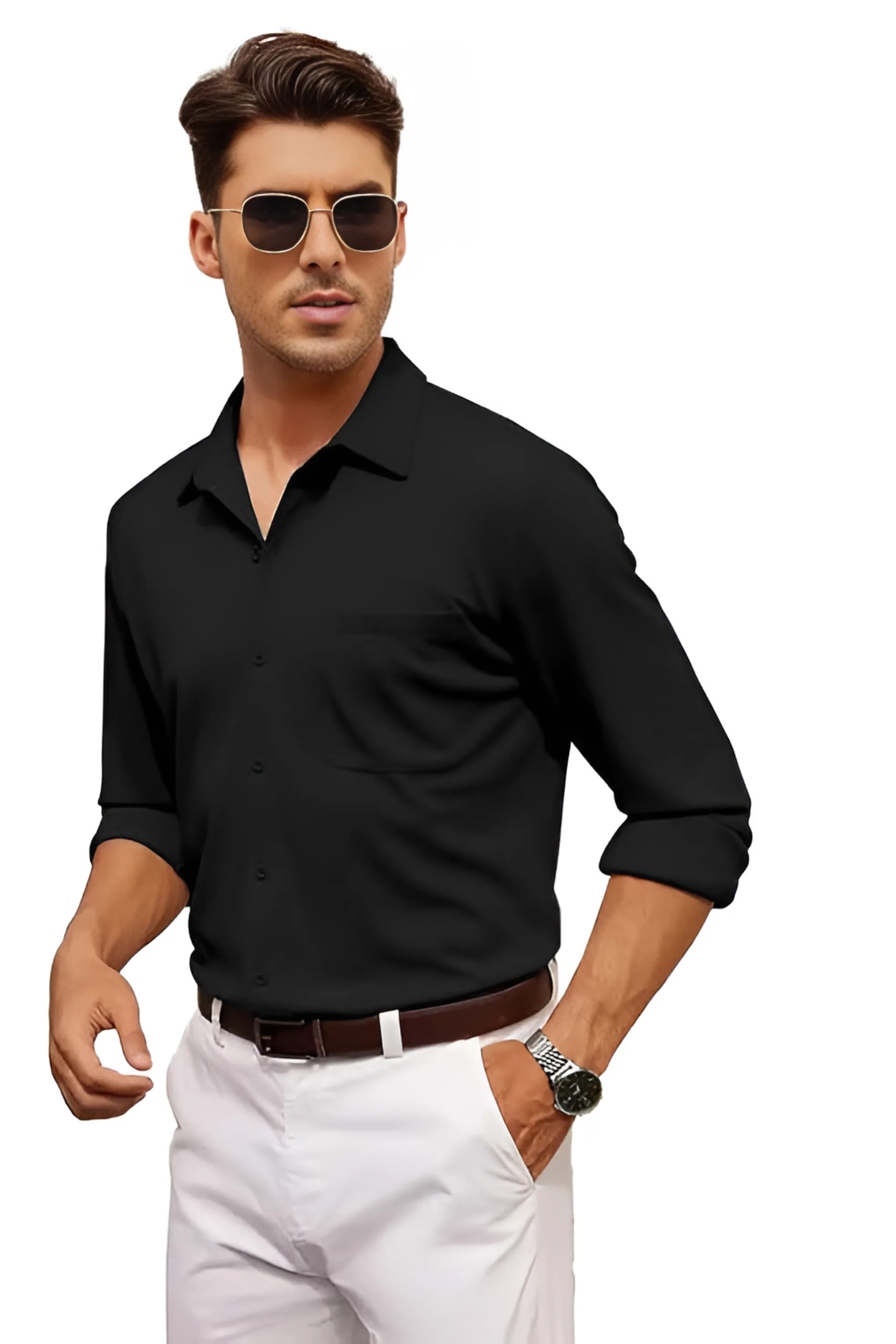
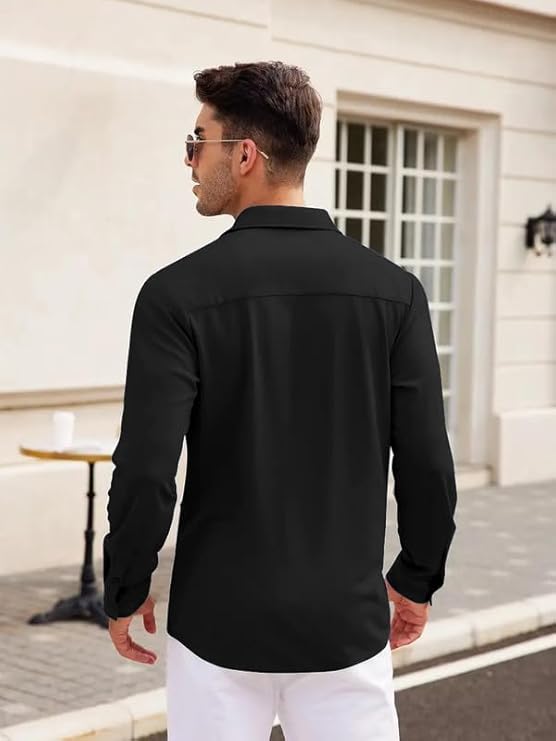
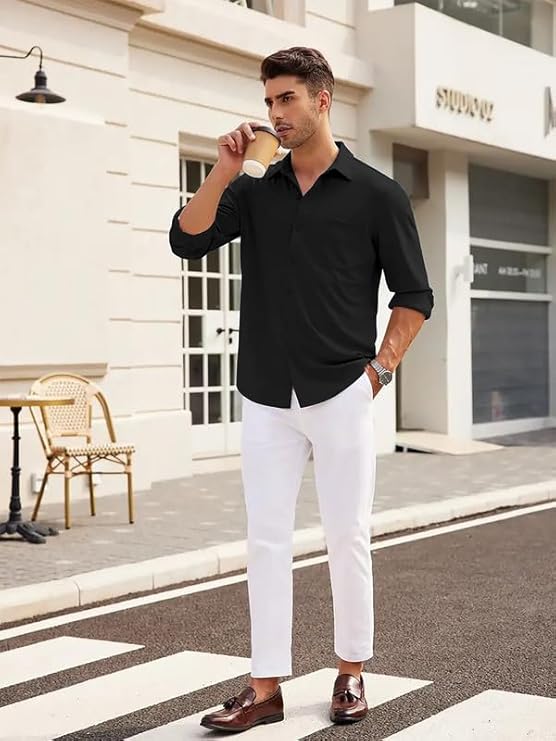
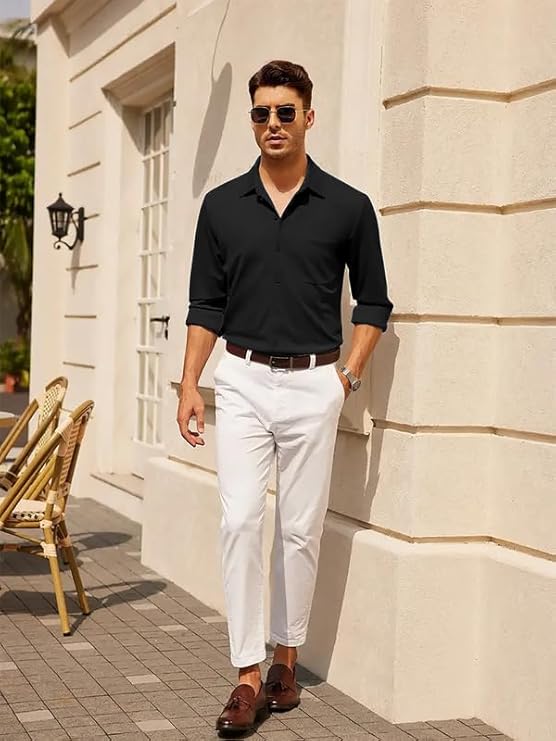
Classic formal attire men: sharp cotton blend shirts with band collars, perfect for professional and elegant looks. Comfortable, durable, and stylish all day.
Formal attire men
Original price was: ₹1,099.00.₹385.00Current price is: ₹385.00.
Description
Formal Attire Men: Elevate Your Style with the Perfect Shirt
When it comes to formal attire for men, a well-chosen shirt is the cornerstone of any sophisticated wardrobe. Whether you’re attending an important business meeting, a formal event, or just want to elevate your daily professional look, the right shirt can make all the difference. This article delves deep into the essentials of men’s formal attire, focusing especially on the formal shirt – its features, fabric, care, and styling tips to help you achieve a polished and confident look.
Understanding Formal Attire for Men
Formal attire is more than just clothing; it’s a statement of professionalism, elegance, and attention to detail. For men, formal dressing traditionally includes a suit or blazer paired with trousers, a dress shirt, formal shoes, and often accessories like ties, cufflinks, and pocket squares. Among these components, the formal shirt stands out as an essential piece because it sets the tone of your entire outfit.
The Role of a Formal Shirt in Men’s Attire
The formal shirt is your base layer, the piece closest to your skin, and often the most visible part of your outfit. A sharp, clean, well-fitted shirt enhances your overall appearance by creating a crisp silhouette and complementing your jacket and tie. Choosing the right shirt means considering fabric, fit, collar style, and details like buttons and stitching.
Material and Fabric: Why Cotton Blend is Ideal for Formal Shirts
A key aspect of formal shirts is the fabric. Our featured shirt is crafted from a 70% cotton and 30% polyester blend, a choice that perfectly balances comfort, durability, and ease of care.
Benefits of Cotton Blend Fabric
-
Breathability and Comfort: Cotton is naturally breathable, allowing air to circulate and keeping you cool throughout your busy day. The blend with polyester adds wrinkle resistance, which means the shirt maintains a crisp appearance without constant ironing.
-
Durability: Polyester fibers reinforce cotton, making the shirt more durable and resistant to wear and tear. This ensures your formal shirt lasts longer even with regular use.
-
Easy Maintenance: Unlike pure cotton shirts that often require delicate care, a cotton-polyester blend is machine washable and dries quickly, perfect for the busy modern man.
Design and Style Elements of the Formal Shirt
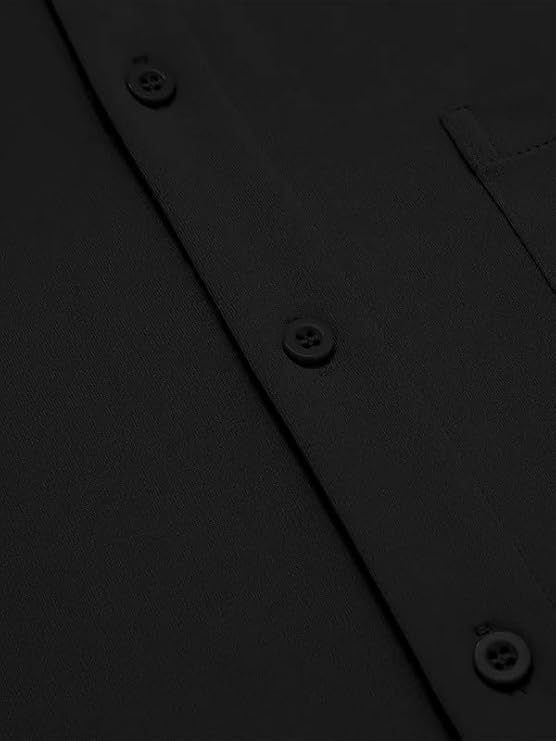
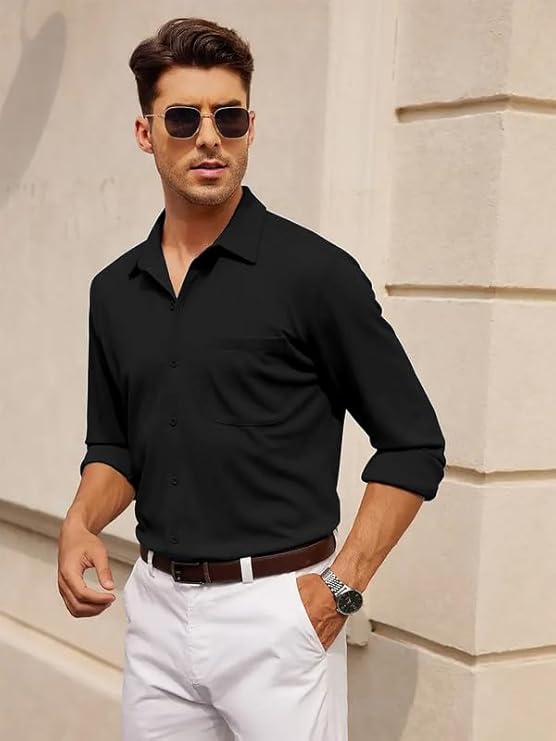
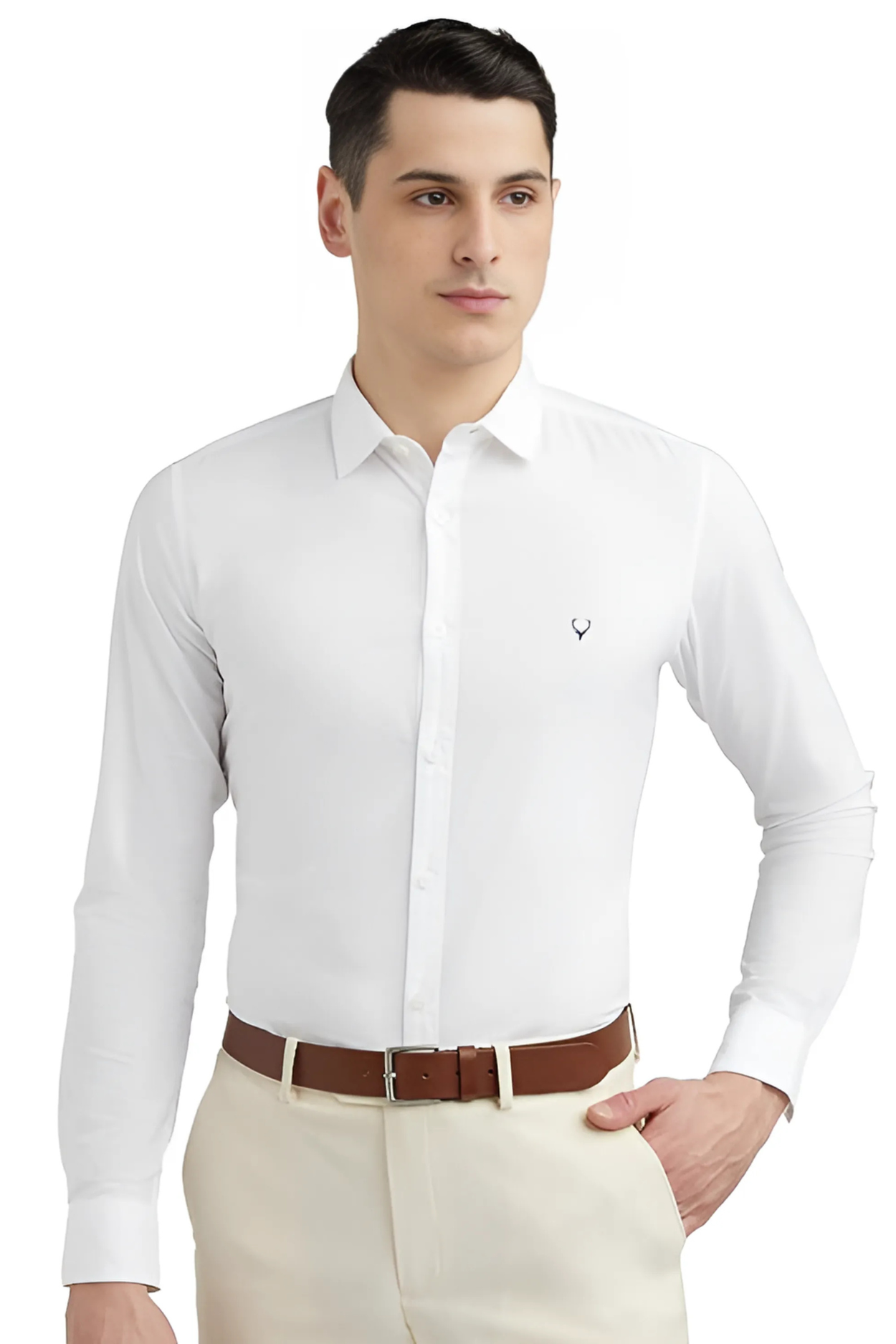
This formal shirt features a solid black pattern, full long sleeves, and a band collar – a modern twist on the classic formal shirt collar. Let’s break down these design elements:
Band Collar
The band collar offers a sleek, minimalist look that suits contemporary formal settings. It’s less traditional than the classic pointed collar but adds a unique touch of style, perfect for men who want to stand out subtly while maintaining formality.
Long Sleeves and Button-Down Closure
Long sleeves are a must for formal shirts, offering a polished and professional appearance. Button-down closure ensures the shirt fits snugly and maintains its shape throughout the day.
Color: Classic Black
Black is a versatile and timeless color in men’s formal wear. It pairs effortlessly with a range of suit colors and accessories, making it a staple in any man’s wardrobe. Black formal shirts are ideal for evening events, business meetings, or occasions where you want to make a bold yet refined statement.
Fit Type: Regular Fit for Comfort and Style
Fit is crucial in formal attire. This shirt offers a regular fit, which balances comfort and sharpness. Unlike slim-fit shirts that hug the body, regular fit provides enough room for movement without looking baggy or unkempt.
Why Regular Fit?
-
Versatility: Regular fit shirts suit a wider range of body types, making them a safe and reliable choice for formal occasions.
-
Comfort: The cut allows for better airflow and comfort, especially when you are seated for long meetings or events.
-
Professional Look: A well-tailored regular fit shirt looks neat and structured, essential for a polished formal look.
Care Instructions: Keeping Your Formal Shirt in Top Condition
Maintaining your formal shirt is key to ensuring it looks fresh and crisp every time you wear it. This shirt is designed for machine wash cold with similar colors, which simplifies laundry routines without compromising fabric integrity.
Washing Tips
-
Use cold water to preserve fabric color and prevent shrinkage.
-
Avoid bleach, as it can damage fibers and fade the shirt.
-
Tumble dry low to reduce wrinkles and maintain the fabric’s shape.
-
Iron on low heat if necessary to remove any creases.
Country of Origin: Made in India – A Mark of Quality Craftsmanship
This formal shirt is proudly made in India, reflecting the country’s rich heritage in textile manufacturing and craftsmanship. Indian cotton blends are renowned for their softness and durability, making this shirt a high-quality addition to your wardrobe.
Styling Tips: How to Wear Your Formal Shirt
Wearing a formal shirt is an art, and styling it right can elevate your entire look. Here are some essential tips:
Pair with Formal Trousers or Suits
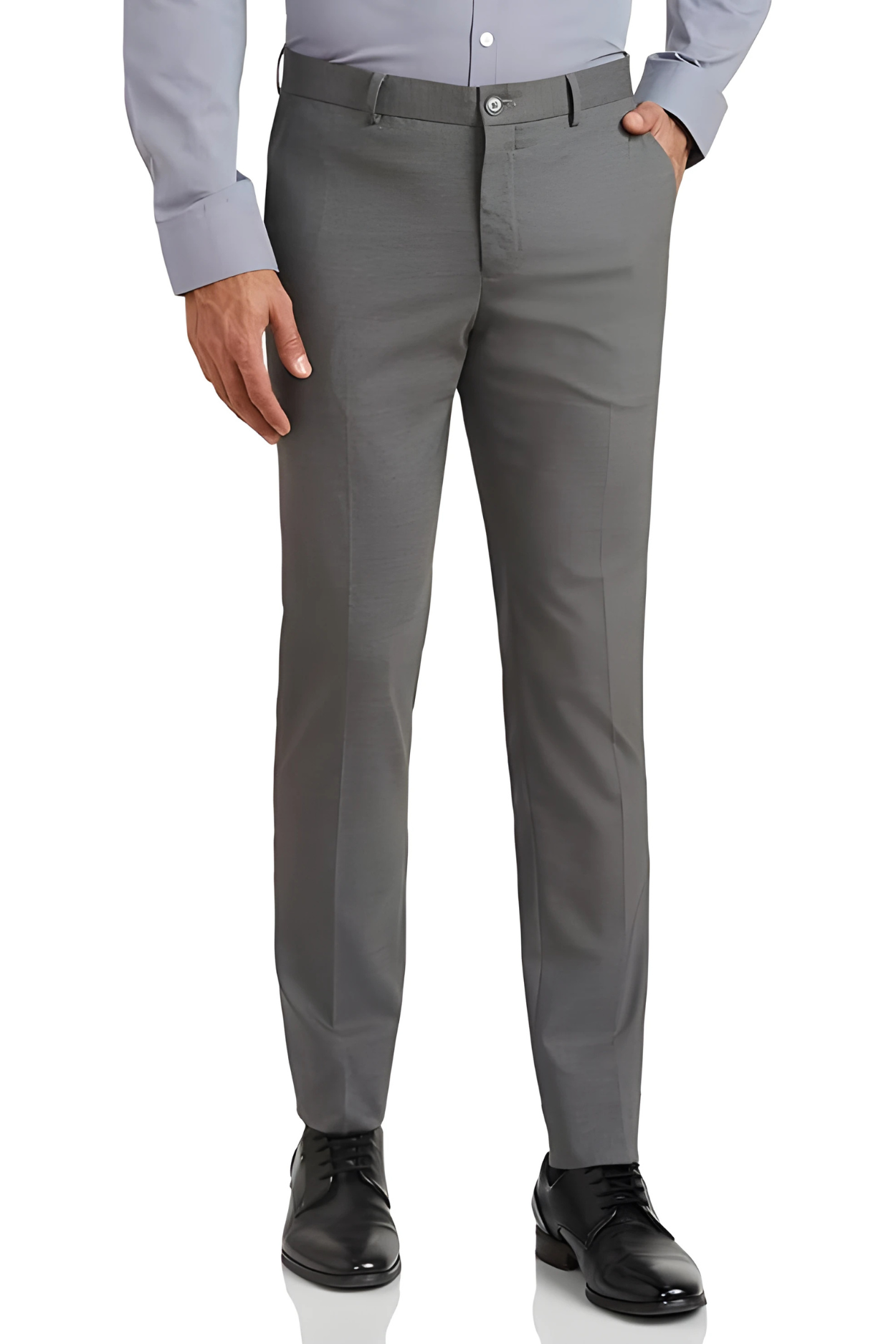
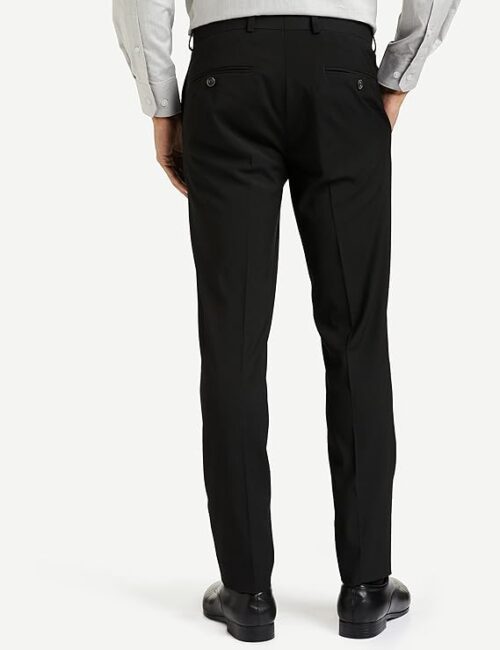
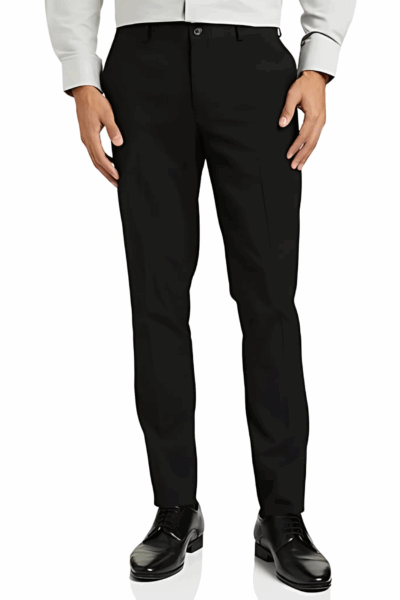
Match your black formal shirt with tailored trousers or a full suit. Dark grey, charcoal, or even a navy suit will complement the black shirt beautifully, creating a sleek and cohesive look.
Add a Blazer for Special Occasions
For business events or formal dinners, throw on a blazer or suit jacket. This instantly upgrades your outfit, making you look sharp and ready for any professional setting.
Accessorize Wisely
Choose simple accessories like a silver watch, cufflinks, or a subtle tie. Since the band collar is less traditional, you might skip the tie and let the collar make the statement on its own.
Footwear Matters
Formal shoes like Oxfords or loafers complete your look. Stick to classic colors like black or brown depending on your trousers and belt.
Formal Attire for Men: Beyond the Shirt
While the shirt is central, full formal attire includes other key elements:
-
Trousers: Choose matching formal trousers that fit well and complement your shirt.
-
Footwear: Polished dress shoes are essential.
-
Accessories: Ties, cufflinks, belts, and watches should coordinate without overpowering your outfit.
-
Outerwear: For colder months, a formal coat or trench can add sophistication.
Why Invest in Quality Formal Attire?
Investing in high-quality formal attire is investing in yourself. The right clothes boost confidence, leave lasting impressions, and open doors in professional and social environments. A well-made formal shirt, like the one described, offers durability, style, and comfort – essential qualities for the modern man.
Sustainability and Ethical Production
This shirt is produced with consideration for ethical labor practices and sustainability. Choosing garments made in certified factories promotes fair working conditions and environmental responsibility, which is becoming increasingly important in fashion.
Conclusion
In summary, formal attire for men starts with a perfect shirt that combines comfort, durability, style, and ease of care. A cotton blend shirt with a band collar, like the one detailed here, offers a contemporary yet classic look suitable for various formal occasions. Paired with the right trousers, shoes, and accessories, this shirt will keep you looking sharp, confident, and professional.
Elevate your wardrobe today with quality formal shirts designed for men who appreciate style and substance. Make your mark with attire that speaks volumes about your personality and professionalism.
Formal Attire Men: Mastering the Art of Elegant Dressing
Formal attire for men is a timeless realm where tradition meets contemporary fashion. Understanding how to build a versatile and stylish formal wardrobe empowers men to face any occasion with confidence, poise, and professionalism. This extensive guide will walk you through everything you need to know about formal attire for men — from choosing the perfect shirt fabric and fit to styling tips and essential accessories. Whether you’re new to formal wear or looking to elevate your existing wardrobe, this detailed exploration will serve as your ultimate reference.
The Foundation: Choosing the Right Formal Shirt
The formal shirt is the bedrock of any elegant outfit. While many focus on suits or ties, the shirt you wear directly impacts the overall impression you make. Selecting a shirt that fits well, feels comfortable, and complements your personal style is essential.
Fabric Matters: Cotton Blend and Beyond
One of the most popular fabric choices for formal shirts is a cotton blend, typically combining cotton with polyester. For example, a 70% cotton and 30% polyester mix, like the shirt in focus here, offers a balance of comfort and practicality.
-
Cotton’s Breathability: Cotton is a natural fiber known for its softness and breathability. It helps keep the wearer cool, which is especially important during long workdays or formal events.
-
Polyester’s Durability: Polyester adds strength to the fabric, making the shirt wrinkle-resistant and easier to care for. It prevents the shirt from losing shape and color over multiple washes.
-
Fabric Weight and Texture: The weight of the fabric affects how the shirt drapes. Medium-weight cotton blends offer structure without feeling stiff, ensuring your shirt maintains a crisp look throughout the day.
Other fabric options for formal shirts include pure cotton for a luxurious feel, linen blends for warmer climates, and performance fabrics that wick moisture and resist wrinkles.
Collar Styles: Defining Your Look
Collars shape the character of a formal shirt. The featured shirt’s band collar presents a modern twist on traditional designs. Understanding collar types helps you choose what best suits your face shape, occasion, and personal style.
-
Band Collar: A minimalist collar without collar points that sits upright around the neck. It’s sleek, contemporary, and great for those who want to break away from classic norms while retaining formality.
-
Classic Point Collar: The most traditional style with pointed ends, ideal for most face shapes and versatile for various tie knots.
-
Spread Collar: Wider spread between collar points; pairs well with wider tie knots and adds a touch of boldness.
-
Button-Down Collar: Casual yet smart, featuring buttons that secure collar points; great for business casual looks.
Fit Types: The Importance of Proper Sizing
A shirt’s fit dramatically influences your overall appearance. The regular fit shirt strikes a balance between comfort and style, providing enough room for movement without looking baggy.
Types of Fits
-
Slim Fit: Tailored close to the body for a modern, sharp silhouette. Ideal for leaner physiques.
-
Regular Fit: Roomier cut suitable for most body types, offering comfort without excess fabric.
-
Relaxed Fit: Loose cut, perfect for casual or less formal settings but generally avoided for strict formal attire.
How to Measure for the Perfect Fit
-
Chest: Measure around the fullest part of your chest, ensuring the tape is level.
-
Neck: Measure around the base of your neck where the collar sits.
-
Sleeve Length: From the middle of the back of your neck, across your shoulder, and down to your wrist.
Color and Pattern: The Palette of Formal Attire
For formal attire, solid colors like black, white, navy, and gray are staples. The featured shirt’s solid black color is particularly versatile and ideal for evening events or professional settings.
Why Choose Solid Colors?
-
Timelessness: Solids never go out of style and pair effortlessly with various suits and accessories.
-
Ease of Matching: Solid shirts are simpler to coordinate with patterned ties or textured jackets.
-
Professionalism: Solid dark colors like black and navy project authority and confidence.
Subtle Patterns and Textures
While solids dominate formal wardrobes, subtle textures like fil-a-fil or twill weaves add depth without compromising formality. These are excellent choices for men who want a bit of visual interest while maintaining professionalism.
Sleeve Types and Length: Long Sleeve for Classic Elegance
The shirt features long sleeves, the standard for formal wear, which can be rolled up for a business casual look but should generally be worn down for formal events.
-
Buttoned Cuffs: Formal shirts typically have single or double cuffs secured by buttons or cufflinks.
-
French Cuffs: Double cuffs folded back and fastened with cufflinks, ideal for high-formality occasions.
Essential Features: Buttons and Stitching
Quality workmanship sets apart a great formal shirt. This particular shirt boasts high-quality stitching and German interlining, ensuring durability and a crisp finish. Additionally, shanked and wrapped buttons enhance longevity and resist wear.
Styling Formal Attire for Men: Beyond the Shirt
A formal shirt is only part of the ensemble. To complete the look, consider the following:
Trousers
-
Opt for well-fitted formal trousers in neutral colors like charcoal, navy, or black.
-
Match the fabric weight and texture with your shirt and jacket for a harmonious appearance.
Suits and Blazers
-
A tailored blazer or full suit adds structure and elevates your outfit.
-
Choose classic cuts that flatter your body shape.
Footwear
-
Classic leather Oxfords or brogues in black or brown are staples.
-
Ensure shoes are polished and in good condition.
Accessories
-
Ties: Select ties that complement your shirt color and suit. Solid, striped, or subtle patterns work well.
-
Watches: A classic wristwatch adds a touch of sophistication.
-
Belts: Match your belt color with your shoes for a coordinated look.
-
Pocket Squares and Cufflinks: Small details that reflect personality and attention to detail.
Occasions for Formal Attire Men
Knowing when and how to dress formally is crucial:
-
Business Meetings: Opt for conservative colors and classic fits.
-
Weddings and Formal Parties: You can experiment with textures and accessories while maintaining elegance.
-
Interviews: Keep it simple and professional with neutral tones and minimal accessories.
-
Formal Dinners and Events: Incorporate elements like cufflinks and polished shoes to stand out subtly.
Caring for Your Formal Shirt
Proper care ensures your shirts maintain their appearance over time:
-
Washing: Machine wash cold with similar colors to prevent fading and damage.
-
Drying: Tumble dry low or air dry to avoid shrinking.
-
Ironing: Use low heat to smooth wrinkles, paying attention to collar and cuffs.
-
Storage: Hang shirts on quality hangers to maintain shape and prevent wrinkles.
Ethical and Sustainable Fashion in Formal Wear
Modern men are increasingly conscious of sustainability. Choosing shirts made in certified factories with ethical labor practices and sustainable materials is a responsible choice that aligns with contemporary values.
Conclusion
Mastering formal attire for men involves understanding fabrics, fit, styling, and care. A quality cotton blend formal shirt, like the one described here, is a versatile and essential piece for any formal wardrobe. Paired with the right accessories and outerwear, it helps you project confidence and sophistication in any setting.
Invest wisely in your formal wear — the right choices today will elevate your style and professionalism for years to come.
Formal Attire Men: The Complete Guide to Timeless Elegance
Formal attire for men is more than just clothing—it’s a language of professionalism, style, and personal identity. Mastering formal wear not only enhances your appearance but also boosts your confidence, opening doors in both personal and professional life. This guide explores every aspect of formal dressing for men, from history and fabrics to styling techniques and modern trends, ensuring you have a well-rounded understanding of this essential wardrobe category.
A Brief History of Men’s Formal Attire
Formal attire has evolved over centuries, reflecting social norms, technological advances, and cultural shifts.
-
17th-18th Century: Formalwear began as elaborate garments with lace, embroidery, and heavy fabrics, reserved for aristocrats.
-
19th Century: The modern suit emerged with simpler cuts, including the frock coat and morning coat.
-
Early 20th Century: The tuxedo and lounge suits became popular, emphasizing practicality with elegance.
-
Today: Formal attire combines classic tailoring with modern fabrics and cuts, blending tradition with comfort.
Understanding this evolution helps appreciate the garments’ significance and informs better styling choices.
Essential Fabrics for Formal Shirts and Suits
Choosing the right fabric is key to comfort, durability, and appearance.
Cotton Blends
Cotton blends, such as 70% cotton and 30% polyester, offer:
-
Breathability: Keeps you cool during long wear.
-
Wrinkle Resistance: Polyester content helps reduce wrinkles.
-
Easy Care: Machine washable and durable.
Pure Cotton
-
Luxurious Feel: Soft and natural.
-
Better Breathability: Ideal for warmer climates.
-
Requires Care: More prone to wrinkles; may need ironing.
Wool and Wool Blends (for Suits)
-
Thermal Regulation: Keeps warm in winter and cool in summer.
-
Durability: Resistant to wear and tear.
-
Elegant Draping: Holds shape well.
Synthetic Fabrics
Often blended for stretch or wrinkle resistance but can lack breathability.
Collar Styles and Their Impact on Your Look
The collar frames your face and affects your shirt’s style. Here’s a deeper look into collar types for men’s formal shirts:
-
Band Collar: Modern and minimalistic, best for casual-formal fusion looks.
-
Point Collar: Classic and versatile, suitable for most ties and face shapes.
-
Spread Collar: Wider points accommodate larger tie knots like the Windsor.
-
Button-Down Collar: Less formal but sharp, perfect for business casual.
The Science of Fit: Tailoring Your Formal Wear
The fit is the single most important factor in how formal attire looks on you.
Types of Fit
-
Slim Fit: Closely contours the body, flattering for slender builds.
-
Regular Fit: Offers a balance between comfort and style.
-
Relaxed Fit: Roomier, often more casual.
Tailoring Tips
-
Shoulders: The seam should sit at your shoulder bone.
-
Chest: Should allow movement without excess fabric.
-
Sleeves: Cuffs should end at your wrist bone.
-
Length: Shirts should tuck neatly into trousers.Formal attire men Formal attire men Formal attire men Formal attire men Formal attire men Formal attire men Formal attire men V Formal attire men Formal attire men Formal attire men Formal attire men Formal attire men V V Formal attire menFormal attire men Formal attire men Formal attire menFormal attire menFormal attire menFormal attire menFormal attire menFormal attire menFormal attire menFormal attire menFormal attire menFormal attire menFormal attire menFormal attire menFormal attire men


How to Pair Formal Shirts with Suits and Trousers
A well-coordinated outfit creates a seamless, polished look.
Color Coordination
-
Pair light-colored shirts with dark suits (white shirt with navy or black suit).
-
For black shirts, pair with charcoal or dark gray trousers.
-
Match your belt and shoes in color and finish.
Patterns and Textures
-
Solid shirts for business formality.
-
Subtle stripes or checks add personality but remain professional.
-
Match shirt texture with suit fabric; smoother shirts with smooth suits, textured shirts with textured suits.
The Role of Accessories in Men’s Formal Wear
Accessories add sophistication and personality.
Ties
-
Match tie width to lapel width.
-
Classic knot styles: Four-in-hand, Windsor, Half-Windsor.
-
Choose colors that complement your shirt and suit.
Pocket Squares
-
Add a splash of color or pattern.
-
Fold styles: straight fold, puff fold, or one-point fold.
Watches and Cufflinks
-
Classic metal or leather strap watches.
-
Cufflinks add elegance, especially with French cuff shirts.
Grooming: The Final Touch to Formal Elegance
Formal attire is incomplete without proper grooming.
-
Hair: Neat, styled, and trimmed.
-
Facial Hair: Well-maintained beard or clean-shaven.
-
Nails: Trimmed and clean.
-
Skin: Moisturized and healthy.
Seasonal Considerations for Formal Wear
-
Summer: Lightweight fabrics like linen blends and cotton blends.
-
Winter: Heavier wool suits and layered looks.
-
Rainy Seasons: Water-resistant fabrics and appropriate footwear.
Common Mistakes in Formal Dressing and How to Avoid Them
-
Ill-fitting clothes.
-
Over-accessorizing.
-
Ignoring shoe care.
-
Mismatched belt and shoes.
Modern Trends in Men’s Formal Attire
-
Slimmer suits with narrow lapels.
-
Minimalist collars and shirts.
-
Sustainable and ethically made fabrics.
-
Bold colors and patterns in accessories.
Building Your Formal Wardrobe: A Step-by-Step Guide
-
Invest in classic colors and cuts.
-
Tailor your clothes for perfect fit.
-
Gradually add statement pieces.
-
Maintain clothes with proper care.
Conclusion
Mastering formal attire for men is a blend of understanding tradition, fabric science, fit precision, and styling finesse. This knowledge, coupled with personal grooming and smart accessorizing, ensures you present yourself with confidence and timeless elegance. Whether for boardrooms, weddings, or formal dinners, the right outfit makes all the difference.
Reviews
There are no reviews yet.